DID Press: Israeli military is confronting an unprecedented crisis in manpower and operational capacity, which, if sustained, could lead to structural collapse from within. Reports indicate severe personnel shortages, widespread fatigue, psychological stress, and increasing rates of desertion, all of which seriously threaten the army’s ability to carry out assigned missions.
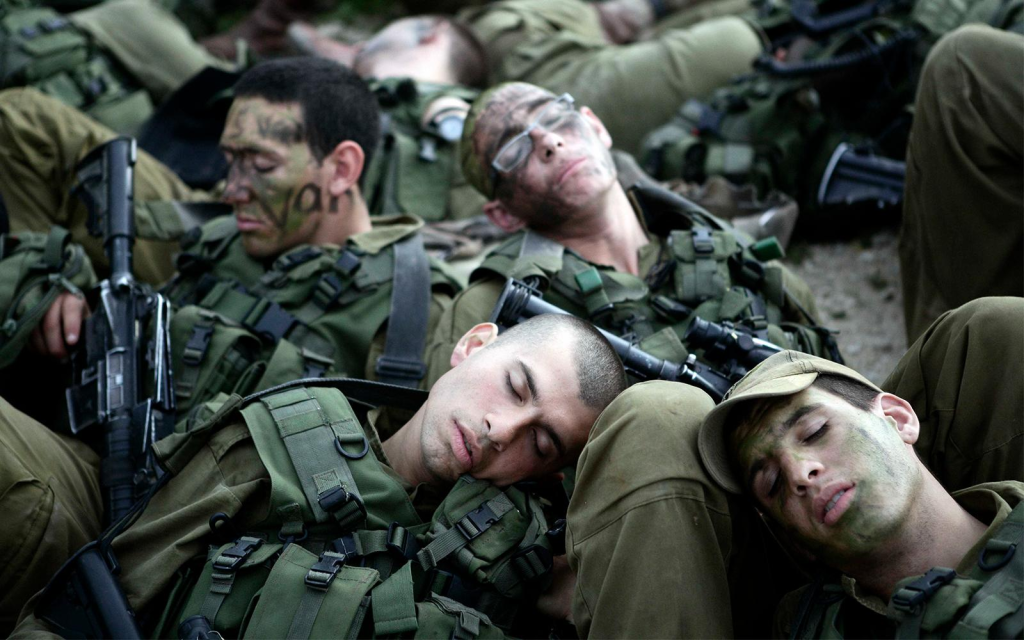
According to Israeli media, Chief of Staff Eyal Zamir warned in a security cabinet meeting that the army may soon lose the capability to operate on multiple fronts simultaneously. He emphasized that the government expects simultaneous multi-front combat without providing a clear strategy, sufficient ammunition, or adequate personnel. Zamir also noted that some reserve forces have been called up more than seven times since the start of the October 7 war and are now severely fatigued—a situation even worse for active-duty troops.
Haredi Conscription Crisis
A core issue exacerbating the personnel crisis is the continued exemption of Haredi Jews from mandatory service. Following Zamir’s warnings, opposition parties accused the government of yielding to Haredi communities and demanded an end to this discrimination. Opposition leader Yair Lapid held the government responsible for any potential military disaster, noting that Zamir’s warnings had been ignored. Former Prime Minister Naftali Bennett added that the army requires roughly 20,000 additional soldiers, which could only be met by drafting Haredi individuals.
Estimates suggest approximately 80,000 Haredi men are eligible for service, but strong community opposition makes recruitment nearly impossible. Senior rabbis have even labeled military service a “sin,” actively preventing volunteers from joining. This resistance has led to street tensions in recent months.
West Bank Security Pressure
Avi Bluth, head of the Israeli Central Command, cited government policies on new settlements in the West Bank as a key source of pressure on the army. A significant portion of military capacity is devoted to securing these areas, which adds extra strain to already fatigued troops. Escalating attacks by extremist settlers on Palestinians have also forced redeployment of forces from the Lebanon border to the West Bank.
Impact of Iranian Attacks
Iranian missile strikes in the ongoing conflict have exposed vulnerabilities in Israel’s air defense systems, with some sources attributing the weakness to depleted interceptor stocks. While previous conflicts included detailed interception statistics, the army has refrained from releasing data this time, fueling speculation about reduced defensive capabilities. Repeated Iranian and Hezbollah attacks have forced residents of occupied territories into shelters multiple times daily, increasing social unrest and even sparking protests. Israeli troops, similarly, have had to take cover, exacerbating psychological fatigue.
Lebanon Front Challenges
The army’s confrontation with Hezbollah in southern Lebanon has placed immense operational pressure on its forces. Deploying five divisions in northern Israel and conducting ground operations in southern Lebanon require prolonged troop presence. Heavy Hezbollah attacks on army concentrations and armored vehicles have caused significant losses, with Hezbollah claiming at least 70 Israeli tanks and APCs destroyed.
Gaza Strip Situation
Personnel shortages prevent the Israeli army from maintaining an extensive presence in Gaza. Some units stationed in Gaza have been redeployed to the northern front, leaving allied groups in Gaza with reduced support, which has allowed Hamas to regroup more rapidly.
Government Accountability
Military experts attribute the current crisis primarily to the Israeli government. The government has refused requests to extend service periods and has avoided revoking Haredi exemptions to appease political allies.
Summary
Simultaneous engagement with Iran, Hezbollah, Ansarallah, and multiple fronts has pushed the Israeli army to the brink of total fatigue. Ongoing personnel shortages, rising casualties, psychological strain, and social unrest could ultimately result in an internal collapse of the Israeli military.