DID Press: Residents in northern Israel are following developments on the northern front with growing anxiety, anger, and deep distrust. The Israeli army’s official statement deeming the “disarmament of Hezbollah unrealistic” has ignited protests in border cities including Galilee, Metula, Kiryat Shmona, and Shlomi. Many locals say the government has abandoned them, with early war promises now appearing empty.
In the first weeks of the conflict, Israeli officials spoke of “complete destruction of Hezbollah.” However, five weeks into the war, the army, facing field realities, has limited its goal to “clearing southern Lebanon up to the Litani River.” This strategic shift has doubled the anger among northern residents, who accuse the government and army of “deception” and “lying.” Some have asked, “If we are to evacuate our homes again, what happened to the promise of Hezbollah’s destruction?”
In response to the protests, Israeli Defense Minister Israel Katz stated that “the ultimate goal remains Hezbollah’s disarmament,” but these remarks have failed to restore lost trust. Residents insist that until Hezbollah is fully disarmed, sustainable security along the northern borders is impossible, and any ceasefire or temporary agreement would provide only fragile calm.
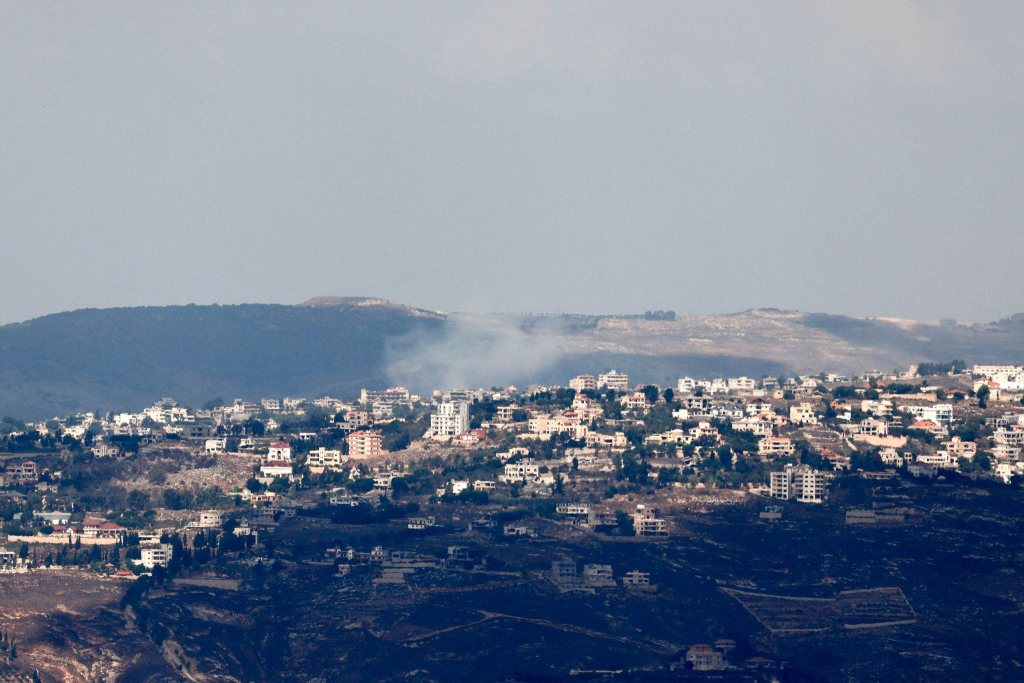
Field reports indicate a severe security situation in northern Israel. The deputy mayor of Kiryat Shmona noted that “on average, an alert siren for Hezbollah attacks sounds every ten minutes.” This has led to heightened anxiety, psychological stress, and enforced isolation, with some residents avoiding leaving their homes for weeks out of fear of rocket strikes. Earlier promises during prior ceasefires assured that “weakening Hezbollah would guarantee northern security,” yet the population remains unconvinced.
Following rising criticism, the Israeli army issued another statement claiming long-term commitment to disarming Hezbollah and that current operations in Lebanon are aligned with this objective. Nevertheless, these explanations have done little to alleviate northern residents’ concerns and distrust. Many believe the army is ineffective against Hezbollah attacks and that the government is more focused on the war with Iran and its regional consequences than on northern security.
Analysts point out that army fatigue from a conflict spanning over two and a half years, combined with the government’s focus on the Iran front, has rendered the “disarm Hezbollah” strategy currently unachievable. Operational limitations and field pressures have led the military to conclude that implementing this goal is unlikely in the near future.
Under these circumstances, the gap between the government and northern residents has widened, fostering a sense of abandonment and betrayal among the population—an atmosphere that could have broad political and social consequences for Israel as the war continues.