DID Press: As Pakistan’s army chief visits Iran and the prime minister travels to Saudi Arabia, Pakistan is navigating mounting regional pressures in an effort to position itself as a potential mediator amid escalating geopolitical tensions.
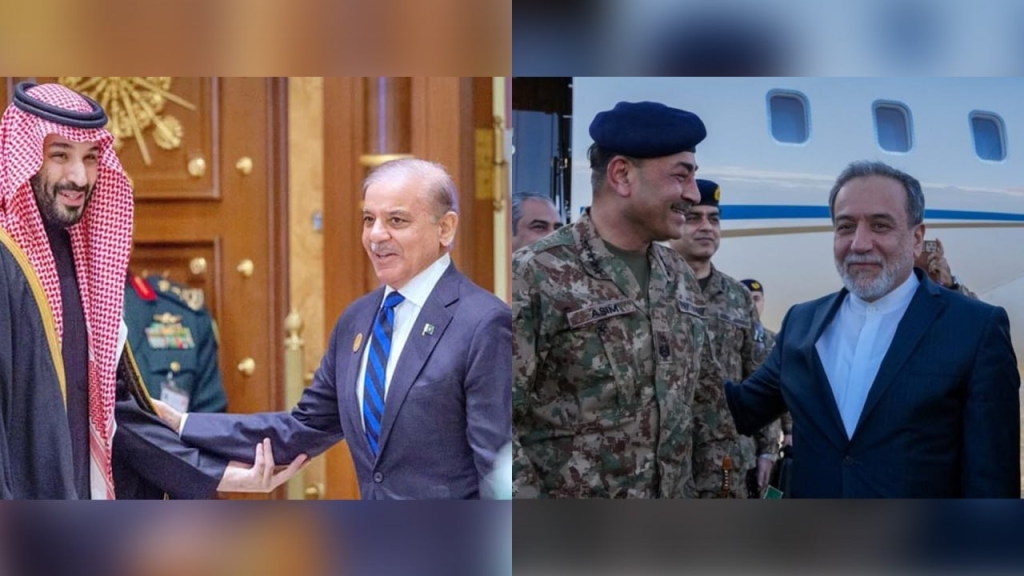
The overlapping visits by Asim Munir to Tehran and Shehbaz Sharif to Riyadh highlight Islamabad’s complex diplomatic balancing act rather than a mere coincidence of schedules.
Pakistan maintains deep cultural, religious, and geographic ties with Iran, while simultaneously relying on strong political, financial, and security relations with Saudi Arabia and the United States. This dual dependence has placed Islamabad under competing expectations from rival regional actors.
While relations between Tehran and Islamabad remain friendly, they lack the financial dependence and strategic security alignment that characterize Pakistan’s ties with Riyadh. This asymmetry has intensified pressure on Islamabad during the current regional crisis, particularly amid expectations of a coordinated response involving Gulf security arrangements.
However, direct involvement in any confrontation with Iran would risk placing Pakistan in opposition to a key neighbor and a major Islamic country, potentially aligning it with Israel in a way that could trigger severe domestic backlash, given strong anti-Israel sentiment in the country.
Such a scenario could deepen internal political fractures and destabilize Pakistan domestically, prompting Islamabad to avoid alignment with any military escalation and instead pursue a mediating posture.
At a broader regional level, analysts note that any escalation involving Iran would also create strategic uncertainty for Turkey and Egypt, both of which are wary of becoming entangled in a wider conflict that could reshape regional power dynamics.
Meanwhile, subtle dissatisfaction has emerged in parts of the Gulf regarding the limited engagement of these regional powers, a factor that could influence post-conflict alignments.
Against this backdrop, Pakistan’s simultaneous diplomatic outreach to Tehran and Riyadh reflects an effort to prevent escalation, preserve strategic autonomy, and avoid entrapment in a wider war with potentially severe domestic and regional consequences.
The central question remains whether Pakistan can sustain this delicate balancing act—or whether competing geopolitical pressures will ultimately overwhelm its mediating ambitions.
By Sayed Hassan Mousavi | DID News Agency