DID Press: A new report by The Economist warns that prolonged disruption in the Strait of Hormuz could have severe consequences for global food security.
The magazine states that continued closure or instability in the passage would drive up global prices of oil, gas, and chemical fertilizers, placing unprecedented pressure on the agricultural sector. This would likely reduce cultivated land, lower production levels, and increase supply chain costs.
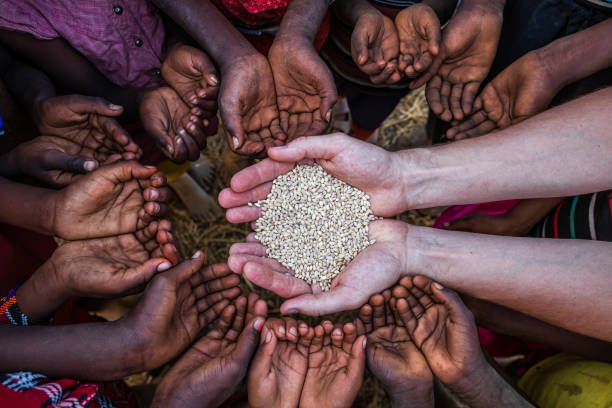
According to estimates cited from the World Food Programme, if current conditions persist, an additional 45 million people worldwide could fall into food insecurity.
Rising energy and fertilizer costs are said to be sharply reducing the capacity of small and medium-scale producers, while poorer import-dependent countries are expected to bear the brunt of the impact.
The report further warns that the Strait of Hormuz is not only an energy corridor but also a critical global economic artery, where disruption could trigger widespread instability affecting regions from the Middle East to Africa and South Asia.