DID Press: Military escalation involving US and Israel against Iran has once again placed Europe at the center of a major geopolitical test—one that has not strengthened EU unity, but instead deepened long-standing divisions over foreign policy, energy security, and relations with Washington and West Asia.
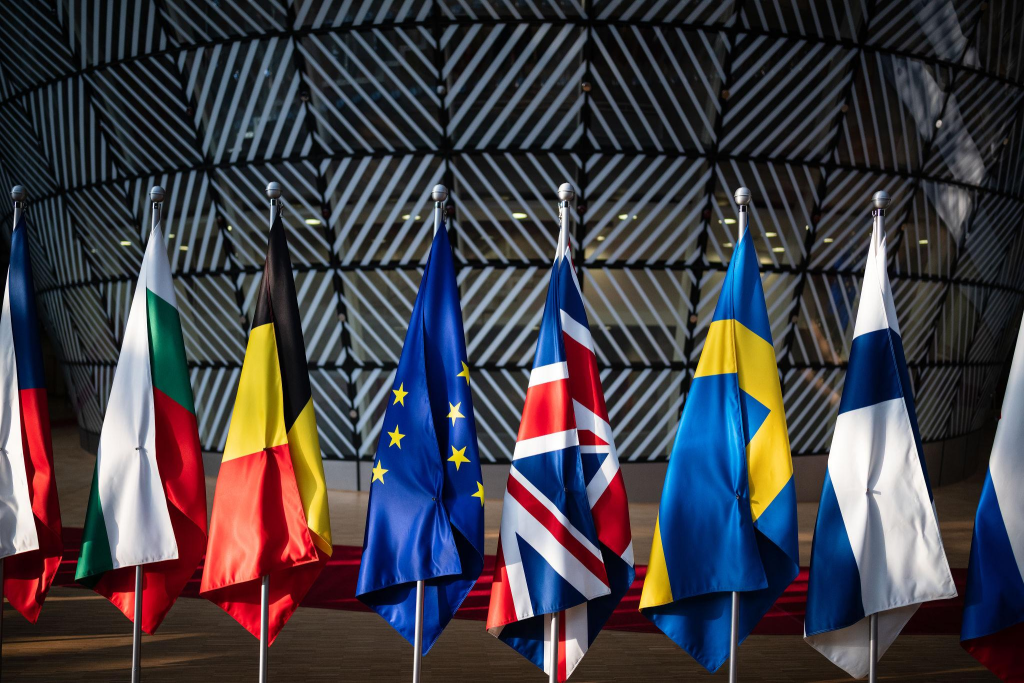
The crisis has highlighted Europe’s inability to adopt a unified strategy in response to external shocks, exposing persistent fragmentation within the bloc.
Diverging roles in West Asia policy
European responses to the conflict revealed a fractured diplomatic landscape. France sought to position itself as an active mediator, while Germany and the United Kingdom largely aligned with the United States, offering logistical and political backing. In contrast, Spain and several southern European states adopted more critical positions toward both Washington and Israel.
This divergence effectively blocked any unified EU diplomatic initiative and weakened French efforts to advance the concept of “strategic autonomy,” reinforcing perceptions of a divided Europe lacking collective decision-making capacity.
National interests drive deeper rifts
The crisis further exposed fundamental differences in how member states define their national interests. Germany continues to rely heavily on US security guarantees, while France promotes greater European independence. Disagreements over policy toward Israel have also become a new axis of internal tension.
At the same time, economic competition with China and dependence on green technologies and energy imports have added further complexity to internal EU disagreements.
Overlap with the Ukraine war
The Iran crisis has unfolded while Europe remains deeply engaged in the Ukraine conflict, facing rising defense costs, reduced US support momentum, and sustained pressure on energy markets. These overlapping crises have intensified divisions between states favoring continued strong support for Ukraine and those advocating more pragmatic, cost-sensitive approaches.
The result has been a gradual weakening of the previously unified European stance against Russia and a rise in nationalist political currents within several member states.
Conclusion
The Iran conflict did not create Europe’s divisions—it accelerated and amplified them. The core challenge lies not in Europe’s power capacity, but in its competing national interests and lack of strategic consensus. Without unified leadership and a coherent foreign policy framework, similar fractures are likely to reappear in future global crises, further limiting the EU’s role as a coherent international actor.