DID Press: A new report by the think tank Tabadlab warns that Pakistan’s healthcare system is approaching a major crisis as international health assistance continues to decline.
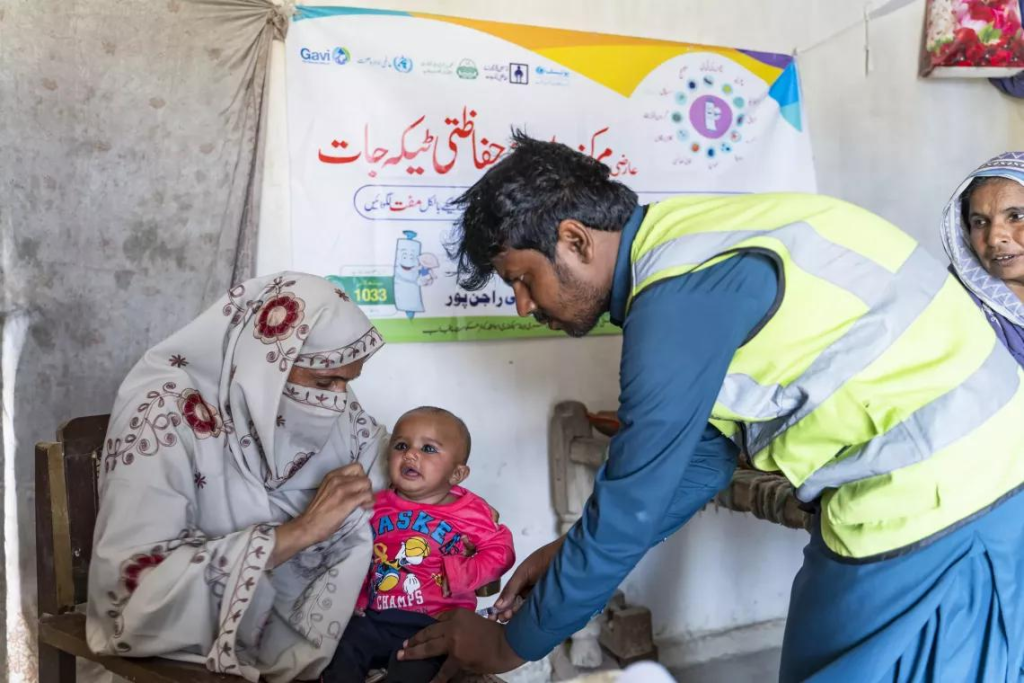
According to the report, foreign grant-based aid to Pakistan has fallen by nearly 59 percent in recent years, with most external financial support now being provided in the form of loans rather than direct assistance.
The study predicts that by 2030, global grant funding for Pakistan’s health sector could disappear entirely — a development that may severely disrupt critical programs aimed at combating tuberculosis, malaria, HIV, and supporting nationwide vaccination campaigns.
Low health spending raises alarm
The report states that Pakistan allocates only 0.9 percent of its GDP to healthcare, significantly below regional averages. Health indicators also remain concerning, with infant mortality rates reportedly twice as high as those in Bangladesh and Nepal, while average life expectancy stands at approximately 68 years.
At the same time, reductions in funding from the Global Fund for tuberculosis programs in Punjab and Khyber Pakhtunkhwa provinces have intensified fears over the future sustainability of public health services.
Health experts warn that without urgent domestic investment and structural reforms, millions of Pakistanis could face worsening access to basic medical care over the coming decade.