DID Press: Iran’s Foreign Minister Abbas Araqchi has sent a signal via social media that goes beyond routine diplomacy, reflecting what analysts describe as a strategic shift in Tehran’s deterrence doctrine.
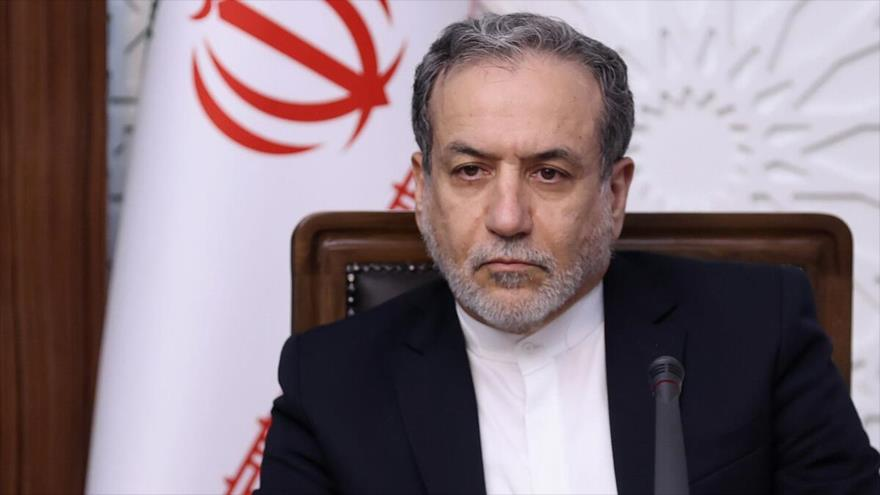
In a recent post, Araqchi referred to internal reports cited by the U.S. Congress regarding the destruction of multiple military aircraft worth billions of dollars and the alleged downing of an F-35 fighter jet by Iranian air defenses. The message, particularly its references to “lessons learned” and “future surprises on the battlefield,” is being interpreted as a broader strategic warning directed at Washington and Tel Aviv.
The first dimension of this message, according to the analysis, is a direct challenge to Western technological dominance. The F-35 has long been considered a symbol of U.S. and Israeli air superiority and stealth capability. Claims of its interception, if confirmed, would undermine the assumption of an “impenetrable sky” and suggest that Iran’s integrated air defense network has reached a higher level of detection and engagement capability against low-observable targets.
The second key point is Iran’s emphasis on battlefield learning. Military doctrine suggests that real combat exposure provides critical electronic and signals intelligence (ELINT/SIGINT) for improving defense systems. The analysis argues that Iran has likely used recent engagements to study adversary radar frequencies and electronic warfare patterns, enabling upgrades to domestically produced systems such as Bavar-373 and Khordad series platforms.
The timing of the message is also seen as deliberate. By referencing U.S. congressional data, Iran appears to be increasing the perceived political and economic cost of any renewed confrontation. The implication is that future conflict would not only be strategically difficult but also financially and operationally costly for Western forces.
Overall, the message highlights the deep linkage between Iran’s diplomatic posture and military capabilities. Analysts say Tehran is signaling that it has not only absorbed previous confrontations but also adapted to them, preparing for potentially more complex responses in any future escalation.
By Sulaiman Saber | DID News Agency