Grand Ayatollah Fayyad Dies, Leaving a Legacy Beyond Borders
DID Press: The passing of Grand Ayatollah Mohammad Ishaq Fayyad marks more than the death of a prominent Shia religious authority. It closes a remarkable historical chapter that began in a small village in Afghanistan’s Ghazni province and culminated in one of the highest positions of religious scholarship in the Shia world.
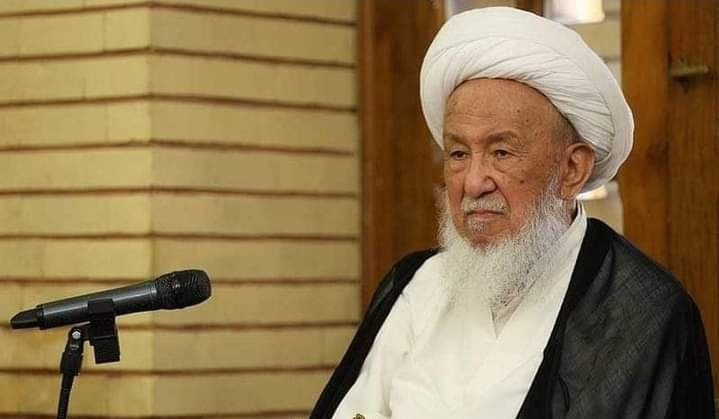
Born into a modest rural family in Ghazni Province, Fayyad’s early years were shaped by limited educational opportunities and economic hardship. Despite these challenges, he embarked on a lifelong pursuit of religious learning, following a path that would eventually take him from local seminaries to major centers of Islamic scholarship.
His academic journey led him through Mashhad and Qom before he settled in Najaf, one of the most influential centers of Shia religious education. In the tradition of Islamic scholarship, such a journey is often regarded as a “migration for knowledge” — a commitment to overcoming geographical and social limitations in pursuit of intellectual excellence.
In Najaf, Fayyad studied under the renowned Shia authority Grand Ayatollah Abul-Qasim al-Khoei and became one of his most distinguished students. His scholarly writings, legal analyses, and years of teaching established him as a leading figure within the seminary system. Recognition from al-Khoei significantly strengthened his standing among the clerical elite and helped pave the way to his eventual position as a senior marja, or source of emulation, for millions of Shia Muslims.
Beyond his religious influence, Fayyad’s life carried symbolic significance for Afghanistan. At a time when the country is often associated with conflict, displacement, and instability, his story represented a different narrative — one of intellectual achievement and global religious influence emerging from humble beginnings.
Observers note that his life serves as a reminder of Afghanistan’s long-standing contribution to religious scholarship and raises broader questions about whether future generations will have similar opportunities to pursue education and reach positions of international prominence.
For many, Fayyad’s greatest legacy extends beyond his religious rulings, students, and scholarly works. His journey from a remote Afghan village to the highest ranks of Shia religious leadership stands as a testament to perseverance, learning, and dedication, demonstrating that geography and circumstance do not necessarily define one’s destiny.