DID Press: A recent analysis by the Zavia think tank highlights the complex and often contradictory relationship between the North Atlantic Treaty Organization and Turkey, describing it as a blend of strategic cooperation and persistent geopolitical tensions.
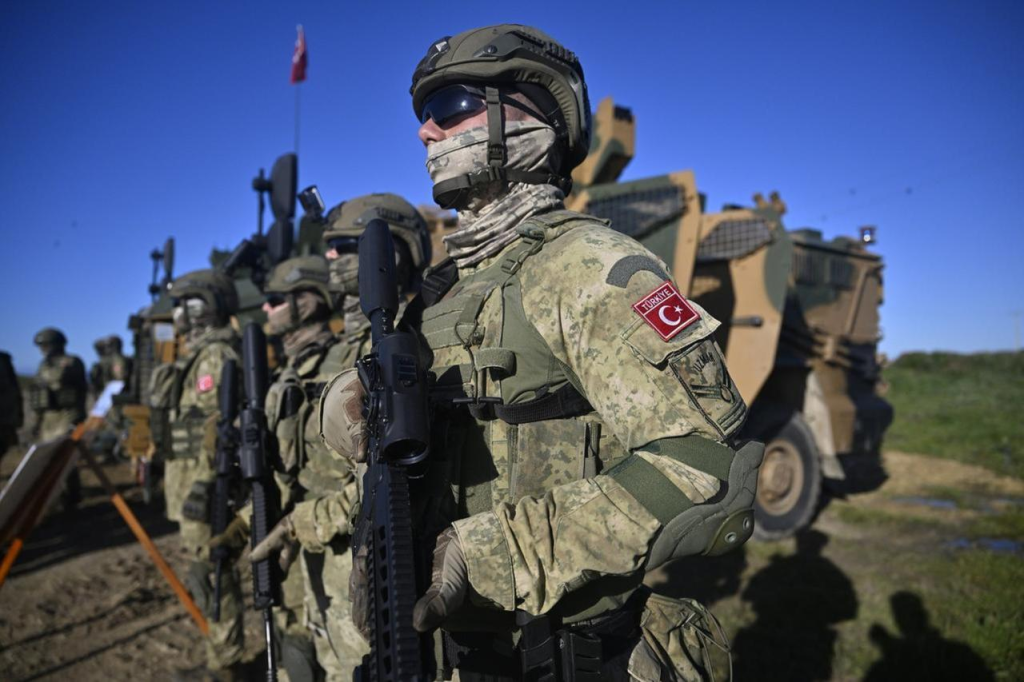
The report notes that since joining NATO in 1952, Turkey has become a central pillar of the alliance’s security architecture due to its strategic location at the crossroads of Europe, the Middle East, the Caucasus, and the Black Sea.
Control over the Bosporus and Dardanelles straits, along with its access to the Black Sea and active presence in the Eastern Mediterranean, continues to give Turkey significant weight in NATO’s defense planning.
However, the analysis stresses that relations between Ankara and Western allies have repeatedly been strained by political and security disagreements. One key issue is the gap between Turkey’s extensive military role within NATO and its limited access to advanced defense technologies and arms cooperation.
The report also points to ongoing disputes between Turkey and some NATO members, particularly Greece and Cyprus, over maritime borders, energy resources, and regional influence in the Eastern Mediterranean—tensions that have at times complicated alliance decision-making.
In recent years, Turkey’s foreign policy has increasingly emphasized strategic autonomy and regional power projection, with independent approaches in conflicts such as Syria, Libya, the South Caucasus, and the war in Ukraine.
The purchase of Russia’s S-400 missile defense system is cited as a major source of friction with Western allies, triggering strong reactions from the United States and other NATO members.
Despite these tensions, the report underlines Turkey’s continued importance in managing the Black Sea region and implementing the Montreux Convention, particularly in the context of the Ukraine war.
In conclusion, the analysis argues that NATO–Turkey relations cannot be defined purely as alliance or conflict, but rather as a combination of cooperation, competition, mistrust, and mutual dependence shaped by evolving global dynamics.