End of an Era: Grand Ayatollah Fayyad and Najaf’s Transnational Legacy
DID Press: The passing of Grand Ayatollah Mohammad Ishaq Fayyad marks more than the loss of a prominent religious scholar; it signals the end of an important chapter in the history of Shia religious authority and the enduring transnational role of the seminary city of Najaf.
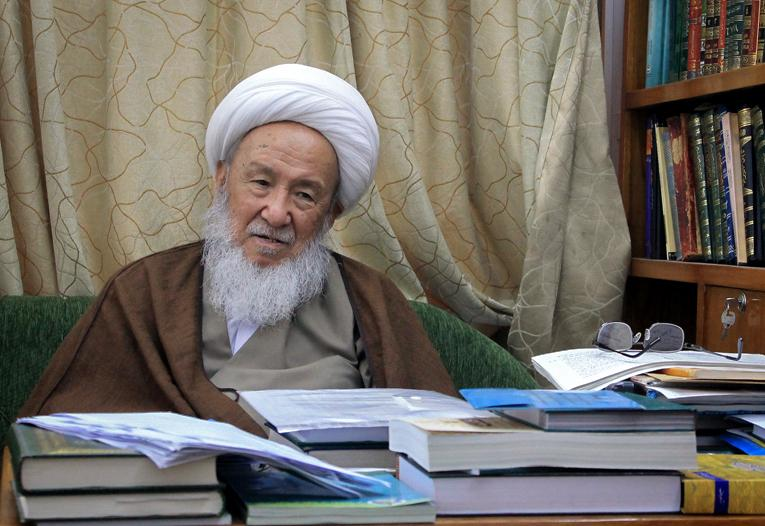
Born in Afghanistan and rising to the highest ranks of Shia scholarship in Najaf, Ayatollah Fayyad embodied the city’s long-standing ability to attract and nurture religious talent from across the Muslim world. His life reflected Najaf’s unique character as a center of learning that transcends national borders and ethnic identities.
Unlike Qom, whose religious institutions operate within the framework of the Iranian state, Najaf has traditionally maintained a model of independent religious authority. This tradition has enabled the city to preserve its status as a transnational center of Shia jurisprudence and spiritual leadership.
For decades, Najaf has served as a source of religious guidance and moral authority for Shia communities in Iraq, Afghanistan, and beyond. During periods of regional turmoil, it has often functioned as a stabilizing institution, offering religious legitimacy and a sense of communal cohesion beyond political boundaries.
With Ayatollah Fayyad’s death, the Najaf seminary now faces a crucial question: whether it can maintain the delicate balance between its tradition of independent scholarship and the demands of a rapidly changing modern world after the passing of its senior generation of clerical leaders.
His legacy extends beyond his scholarly works. Many followers remember him as a model of modest, non-partisan, yet deeply influential religious leadership—an approach that helped preserve Najaf’s position as one of the most important centers of Shia civilization.
By Sayed Jamal Mousavi Meshkat | DID News Agency