DID Press: A new strategic assessment by Turkey’s National Intelligence Academy has concluded that recent regional conflicts have fundamentally reshaped the Middle East’s security environment, urging Ankara to strengthen military deterrence, protect critical infrastructure, and maintain communication channels with Israel despite growing strategic rivalry.
The report, published on May 20, examines the implications of the recent conflict involving the United States, Israel, and Iran, arguing that modern warfare increasingly depends on industrial capacity, data networks, artificial intelligence, infrastructure resilience, and the ability to sustain long-term operations under pressure.
According to the assessment, Turkey should accelerate defense-industrial production, expand its air and missile defense capabilities, and prioritize the protection of critical infrastructure. Energy facilities, communications networks, logistics hubs, radar systems, and data centers are identified as likely targets in future conflicts.
The report advocates a comprehensive national security approach integrating military, cyber, intelligence, electronic, and psychological dimensions into a unified framework.
A key finding focuses on the vulnerability of centralized command structures and fixed installations. The academy recommends developing distributed command-and-control systems, backup networks, and flexible operational structures capable of maintaining functionality even after partial disruption.
The study also highlights growing risks to senior officials and technical experts. It argues that advances in artificial intelligence, surveillance technologies, and open-source intelligence have increased the exposure of political leaders, military officers, and specialists, requiring broader security measures that include digital protection, movement management, counterintelligence, and data security.
Israel Seen as Strategic Competitor
The report devotes significant attention to Israel’s regional posture, suggesting that Israeli operations in Syria and Lebanon could expand following recent conflicts and potentially reshape regional security arrangements.
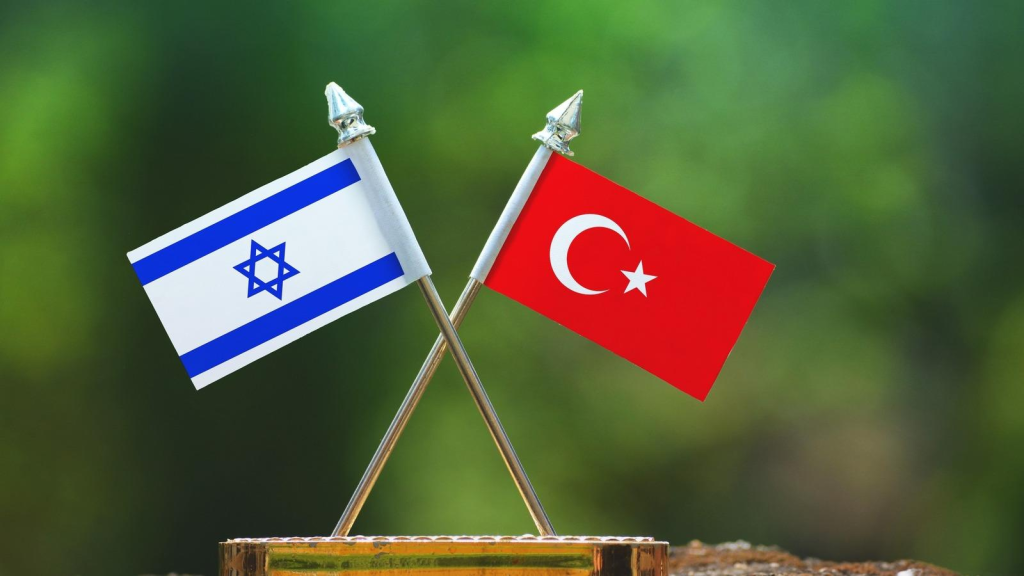
It notes that Israeli political and military discourse increasingly identifies Turkey as a strategic challenge and predicts that relations between Ankara and Tel Aviv are likely to continue under a framework of managed competition punctuated by periods of heightened tension.
Despite these concerns, the academy advises against severing communication channels with Israel. Instead, it recommends a multi-layered strategy combining military deterrence, active diplomacy, and regional coordination while preserving mechanisms for dialogue to prevent uncontrolled escalation.
Call for Strategic Resilience
In its conclusions, the report describes recent regional conflicts as evidence of a new phase in regional security in which military, economic, technological, and societal factors are increasingly interconnected.
It argues that Turkey’s priorities should include strengthening defense production, expanding missile and air-defense capabilities, safeguarding critical infrastructure and key personnel, enhancing societal resilience, and maintaining diplomatic flexibility while keeping channels of communication open.