Jack Parsons: Mystery Behind Death of US Rocket Pioneer
DID Press: Jack Parsons, a self-taught rocket engineer and one of the founders of the Jet Propulsion Laboratory (JPL), died in a massive explosion at his Pasadena home on June 17, 1952, in an incident that remains one of the most mysterious deaths in early space industry history.
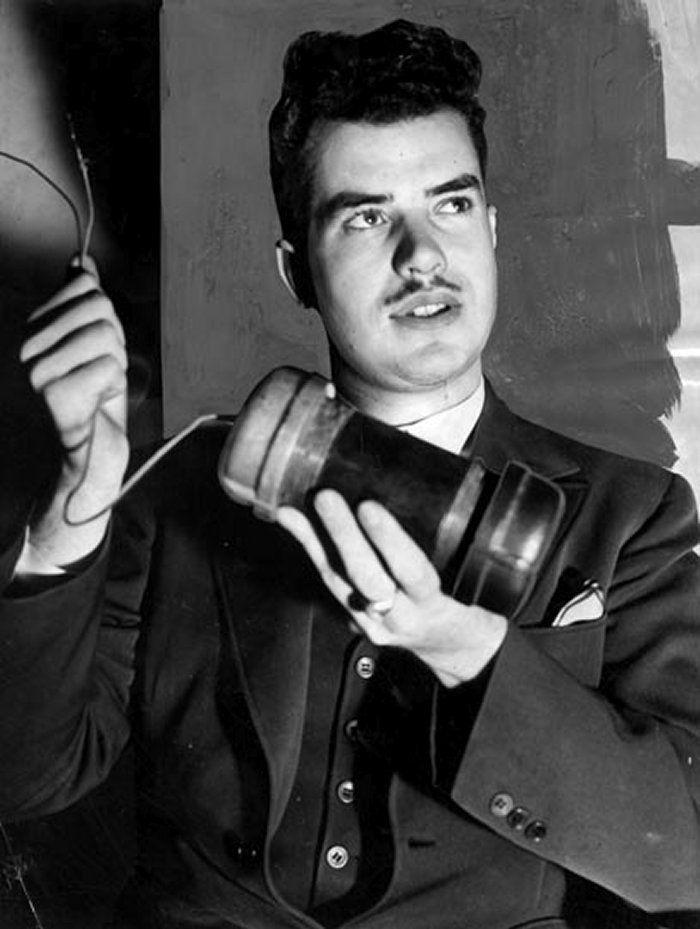
Jack Parsons, full name John Whiteside Parsons, was killed when an explosion destroyed part of his house in Pasadena, California. His body was found severely disfigured, and the blast reportedly obliterated the lower section of the building. The incident occurred just one day before he was scheduled to travel to Mexico for a new industrial project, immediately fueling speculation about the cause of the explosion.
Parsons was born in 1914 in Los Angeles and became fascinated with rocketry and science fiction at an early age. In the 1930s, he co-founded the GALCIT rocket research group at Caltech alongside Edward Forman and Frank Malina. This group later evolved into NASA’s Jet Propulsion Laboratory (JPL). Parsons played a key role in developing early solid-fuel rocket technology.
However, his personal life was highly controversial. In the late 1930s, he joined the Ordo Templi Orientis (OTO) and became deeply involved in the Thelemic teachings of occultist Aleister Crowley. His Pasadena home reportedly became a gathering place for artists, occult practitioners, and unconventional intellectual circles.
These affiliations, combined with drug use and unconventional behavior, led to increasing scrutiny from US authorities. He was eventually removed from JPL in 1944 and later lost his security clearance. In his final years, he worked with a private rocket project linked to Israeli industrial partners, which contributed to FBI investigations, although no charges were ever proven.
In the months before his death, Parsons was conducting chemical experiments in his home workshop. Official reports from Pasadena police concluded that the explosion was likely caused by the accidental detonation of volatile chemicals. However, alternative theories—including sabotage and intentional explosion—have persisted due to his controversial life and associations.
Parsons’ early death, combined with his unconventional legacy, led to his marginalization in official aerospace history. NASA references him only briefly in relation to early Caltech research, and his name is commemorated in a small lunar crater on the far side of the Moon.
Despite this, historians of science regard him as a foundational figure in rocket engineering—an eccentric genius whose life blurred the boundaries between science, ideology, and mysticism.