DID Press: A broad wave of arrests targeting Iraqi political figures and members of parliament on corruption charges has emerged from Baghdad’s Green Zone, becoming one of the most significant political developments in the country in recent months.
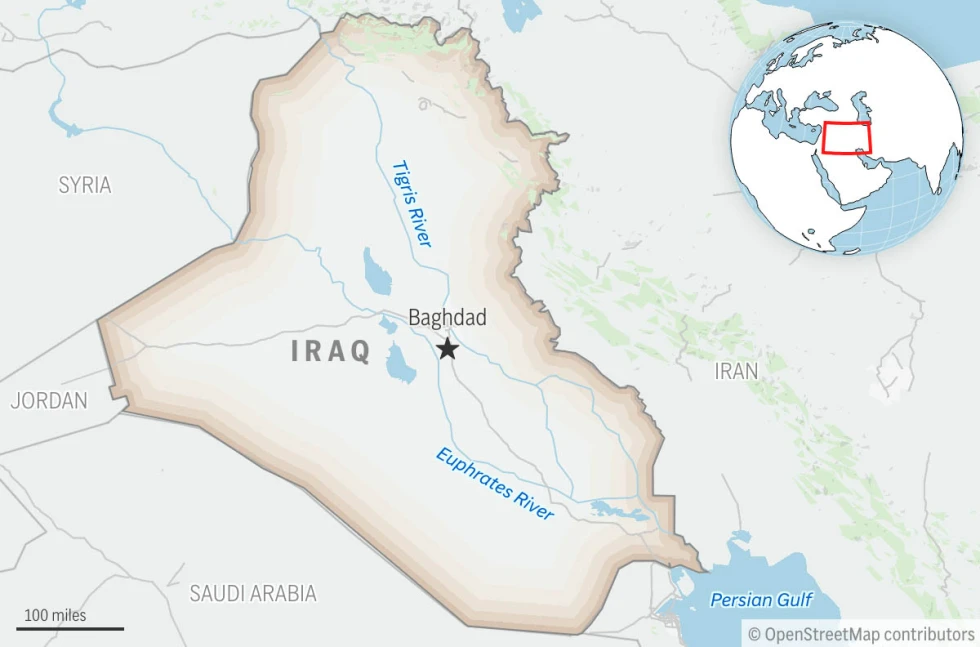
The operation, led by counter-terrorism and special forces units linked to the Prime Minister’s Office, has so far resulted in arrest warrants for 47 individuals and the detention of 21 suspects. Iraqi authorities say the campaign represents only the “first wave” of a wider anti-corruption drive.
According to the Iraqi judiciary, investigations into former Oil Ministry deputy Adnan al-Jumaili allegedly exposed the involvement of several members of parliament in the misuse of public funds and state contracts for electoral purposes.
Following the findings, parliamentary immunity was lifted for some lawmakers, enabling their arrest. Those detained reportedly include MPs, a former deputy minister, and political figures from multiple blocs. Some reports suggest the campaign could eventually expand to more than 200 political and executive figures over a six-month period.
The developments have received mixed political reactions. Nouri al-Maliki supported the crackdown, calling it a step toward justice, while Khamis al-Khanjar urged backing for judicial institutions.
The “Azm” coalition expressed conditional support for the judiciary while demanding fair legal procedures for its leadership. The Kurdistan Democratic Party also endorsed the anti-corruption measures, with regional security forces handing over several wanted individuals to federal authorities. Meanwhile, Muqtada al-Sadr described the campaign as “reformist and heroic,” urging public support.
Analysts note that many of those arrested are linked either to former Prime Minister Mohammed Shia’ al-Sudani’s political network or to the “Reconstruction and Development” and “Azm” alliances, raising speculation that the campaign may also reflect an ongoing reshaping of political influence ahead of future elections.
While the Iraqi public has largely welcomed anti-corruption efforts, observers say the true nature of the campaign—whether judicial reform or political rebalancing—will depend on whether it extends to more powerful political figures in the coming months.