DID Press: Former US Iran envoy Robert Malley has said that the Iran–Israel–Gaza conflict is accelerating the long-term decline of the United States, arguing that Washington is likely to emerge as the biggest strategic loser.
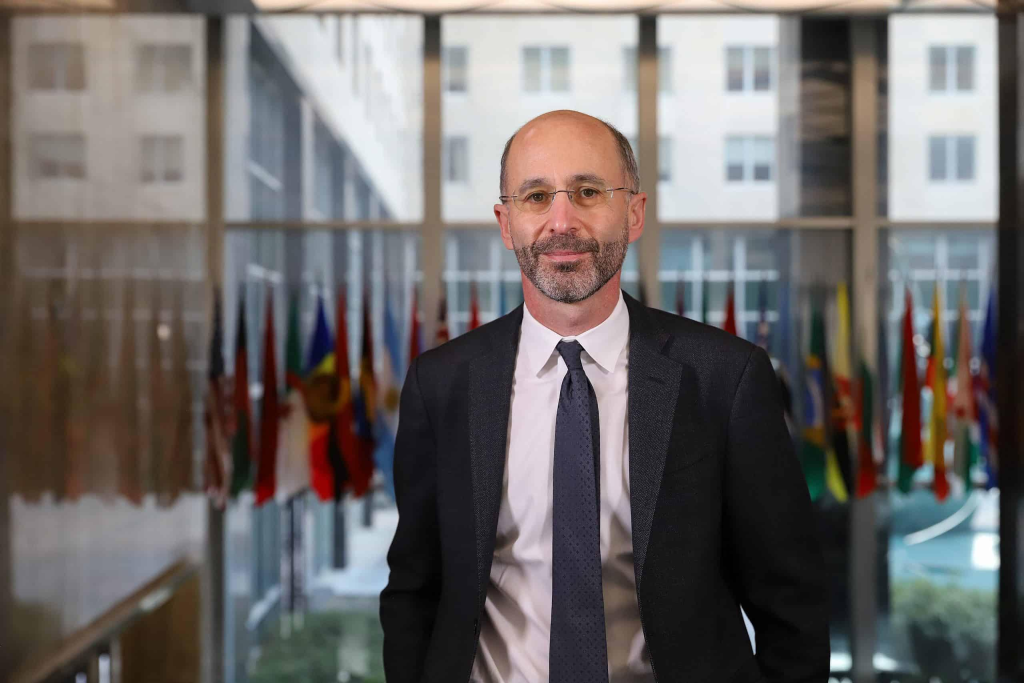
In an interview, Malley—who previously served as a senior adviser on Middle East affairs under the Biden administration—said that although all sides have suffered losses, the United States has incurred the most significant long-term strategic damage.
He argued that in the recent conflict involving Iran and Israel, Tehran demonstrated greater short-term resilience, while Washington appeared more eager to halt the fighting and secure a ceasefire.
Malley added that economic consequences for Iran remain significant, but said the broader regional dynamics reflect a shift in strategic balance.
He further claimed that the political structure inside Iran has been reshaped by the war, with some leaders concluding that previous caution weakened the so-called “axis of resistance” and that Iran must adopt a more assertive posture.
The former envoy also said there are internal Iranian views suggesting the conflict should not have ended so quickly, and that prolonging it could have increased pressure on the United States. He referenced remarks by former President Donald Trump about economic concerns as evidence that Washington was also wary of escalation.
Malley described U.S. global decline as an inevitable historical process, comparing it to the rise and fall of other great powers.
He said the 2003 Iraq invasion and the “war on terror” marked the first major blow to U.S. global credibility, exposing contradictions in Washington’s approach to international law.
He also cited Trump’s two presidencies and the Gaza war as accelerating factors, arguing that unconditional U.S. support for Israel has eroded America’s global legitimacy.
Malley noted a shift in American public opinion toward Israel, particularly after the Gaza war, adding that debates over conditioning U.S. military aid to Israel are now increasingly entering mainstream Democratic discourse.
He concluded that while public attitudes are changing, it remains unclear how far this shift will translate into future U.S. foreign policy, as segments of the Democratic establishment still favor traditional support for Israel.