Seminar on Islamic Media and “Narrative Jihad” Held in Kabul
DID Press: A seminar titled “Islamic Media and Narrative Jihad: From Resistance Narratives to the Reflection of the Funeral of the Martyred Imam” has been held in Kabul with the participation of Afghan journalists, media officials, and cultural activists.
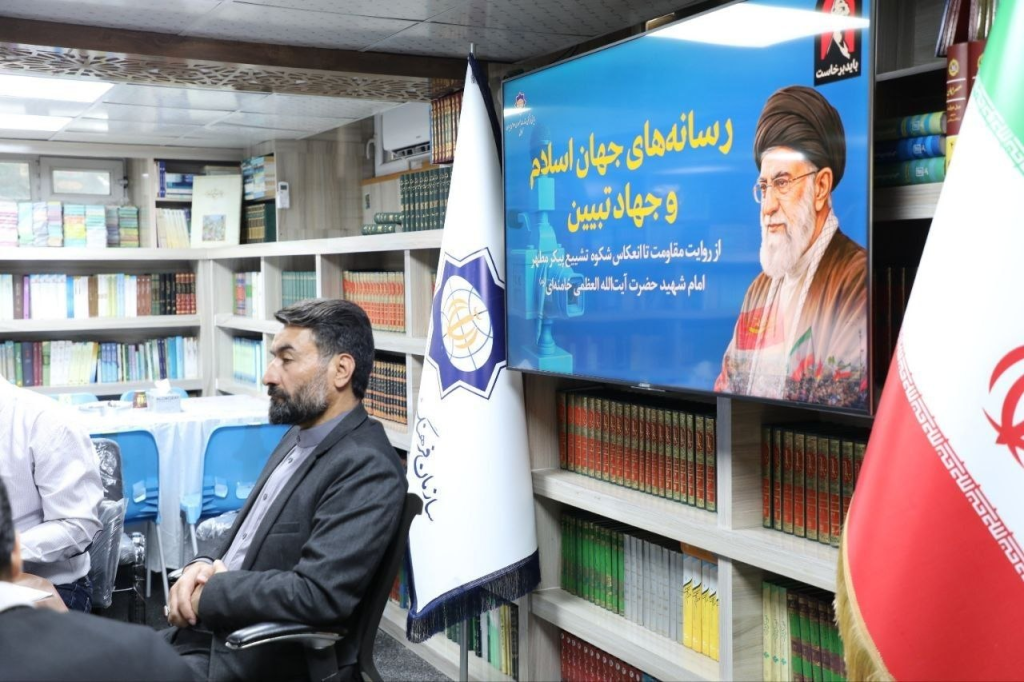
The event took place at the Culture and Thought Hall of the Cultural Counsellor’s Office of the Islamic Republic of Iran in Kabul, bringing together a number of journalists, media managers, and cultural figures from Afghanistan.
Speakers at the seminar discussed the rapid transformation of global media and communication, stressing that political and cultural conflicts are increasingly shaped in the media sphere and public perception rather than traditional battlefields.
Seyyed Ruhollah Hosseini said that today’s primary struggle is a “battle of narratives and perceptions,” describing media as one of the most powerful tools in shaping public opinion.
He argued that opposing forces are attempting to distort realities in the Islamic world through extensive media networks and modern communication tools, adding that independent and committed media outlets carry a growing responsibility to present accurate and timely reporting.
Referring to developments in Palestine and the wider region, Hosseini said that many mainstream Western media outlets adopt selective and biased approaches in covering events in the Islamic world, often ignoring key realities on the ground.
He called for greater cooperation among media institutions in Islamic countries to present a more accurate picture of regional developments, resistance movements, and shared challenges.
The cultural counsellor also highlighted the importance of modern technologies, including artificial intelligence, in media production and dissemination, saying such tools could enhance speed, accuracy, and global reach.
He further emphasized expanded cooperation between Iranian and Afghan media institutions, including joint content production, training programs, and professional exchange, citing shared historical, cultural, and linguistic ties.