Analysis: Remote Provinces Expose Limits of Taliban Security Control
DID Press: The brief capture of Yaftal District in Afghanistan’s strategic Badakhshan Province by the newly emerged Sepahiyan-e Mihan (Homeland Forces) has reignited questions about the Taliban’s ability to maintain effective control over remote and border regions. Although Taliban authorities quickly retook the district and launched a wave of arrests, the incident has exposed potential vulnerabilities beneath the group’s narrative of nationwide stability and security.
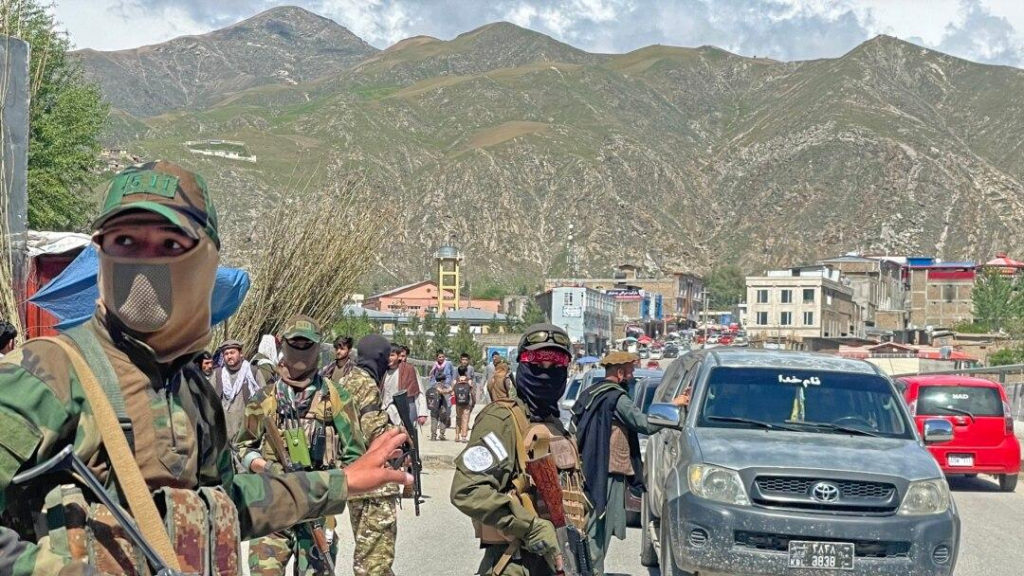
According to local Taliban officials, the attackers exploited the absence of the district police commander, who was reportedly on weekend leave. The admission suggests that security arrangements in some remote areas may rely heavily on individual commanders rather than institutionalized command structures and continuous operational readiness. The incident has raised questions about command continuity and the resilience of local security mechanisms.
Badakhshan’s mountainous terrain, difficult access routes, and international borders have historically complicated efforts by successive governments to establish firm control over the province. Such geography has often favored insurgent or guerrilla-style operations, allowing armed groups to conduct hit-and-run attacks without attempting to hold territory for extended periods.
The analysis argues that for groups such as Sepahiyan-e Mihan, the primary objective may not be territorial control but rather demonstrating operational capability, undermining the Taliban’s security narrative, and, according to the group’s own claims, capturing weapons and equipment from Taliban positions. Those claims, however, have not been independently verified.
The article also points to broader social and political dynamics, suggesting that limited cooperation from local communities and weaknesses in intelligence gathering may have contributed to the attack. The ability of a newly formed armed group to carry out an operation near Fayzabad, the provincial capital, has prompted renewed scrutiny of the Taliban’s local intelligence networks and security preparedness.
The analysis concludes that while the Taliban retain the capacity to rapidly deploy forces and recapture lost positions, their control over remote regions remains largely reactive rather than preventive. It argues that without strengthening institutional security structures, improving military discipline, and addressing local governance challenges, similar incidents could continue to test the Taliban’s authority in Afghanistan’s northern provinces.
By Sayed Baqer Waezi | DID News Agency