Afghanistan’s Climate Crisis Deepens Amid Warnings of Weak Disaster Response
DID Press: Afghanistan is facing one of the world’s most severe climate vulnerability challenges, with environmental disasters increasingly exposing the country’s fragile infrastructure and limited capacity to respond.
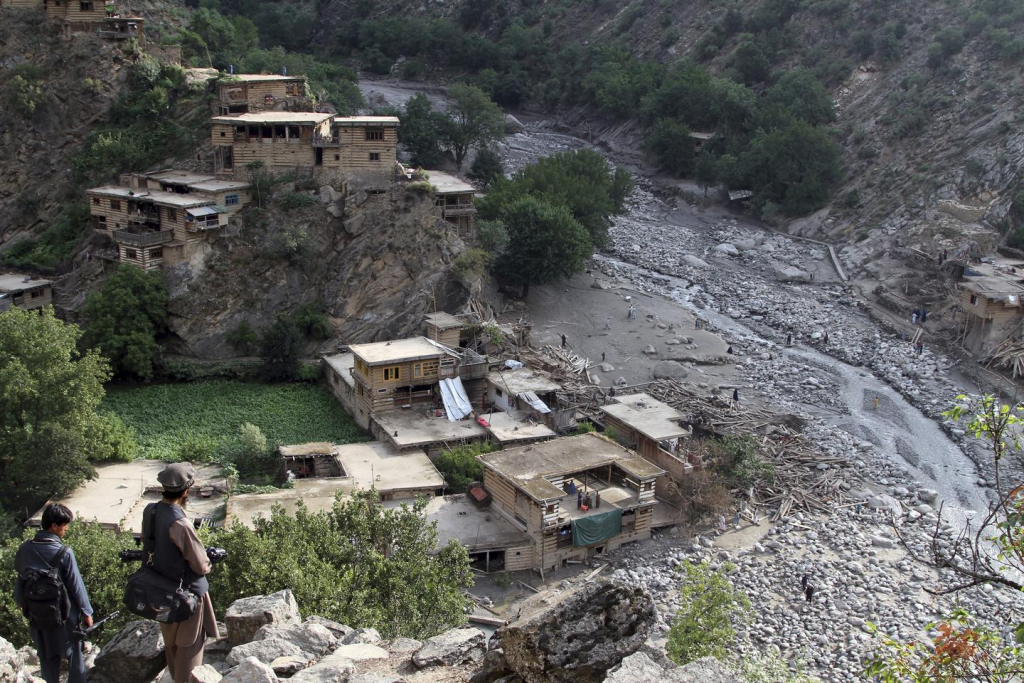
The country ranks among the most climate-vulnerable nations globally while lacking adequate resources and strategies to adapt to changing environmental conditions. Recent cycles of prolonged drought followed by destructive flash floods in mountainous provinces such as Nuristan, Badakhshan, Ghor and Parwan have highlighted the growing humanitarian risks.
According to United Nations agencies, more than half of Afghanistan’s population is facing acute poverty and humanitarian needs, with climate-related damage to agriculture and livestock worsening existing vulnerabilities. Recent floods in Nuristan and other provinces have killed dozens of people, destroyed hundreds of homes and damaged thousands of acres of farmland.
The analysis argues that Afghanistan’s response to climate disasters remains largely limited to weather warnings and public calls for precautionary measures, rather than comprehensive prevention and resilience programs.
It identifies several key challenges, including the lack of flood-control infrastructure, water management projects and watershed protection plans. The absence of engineering measures such as river protection systems, drainage networks and flood barriers has increased the impact of sudden heavy rainfall.
The report also highlights the impact of Afghanistan’s international isolation, saying limited access to global climate funds and environmental development programs has weakened the country’s ability to implement large-scale adaptation projects.
Deforestation and illegal logging in several eastern and northern provinces have further worsened environmental degradation by increasing soil erosion and intensifying the effects of floods and landslides.
The analysis concludes that climate change has become a direct threat to Afghanistan’s food security, human security and long-term stability, warning that failure to invest in environmental resilience could deepen the country’s humanitarian crisis.
By Sayed Baqer Waezi | DID News Agency