DID Press: More than four decades after the 1979 Islamic Revolution, the confrontation between Iran and the United States has evolved into one of the world’s most complex geopolitical rivalries, extending far beyond political and ideological differences to encompass military, economic, cyber, intelligence, energy and diplomatic dimensions.
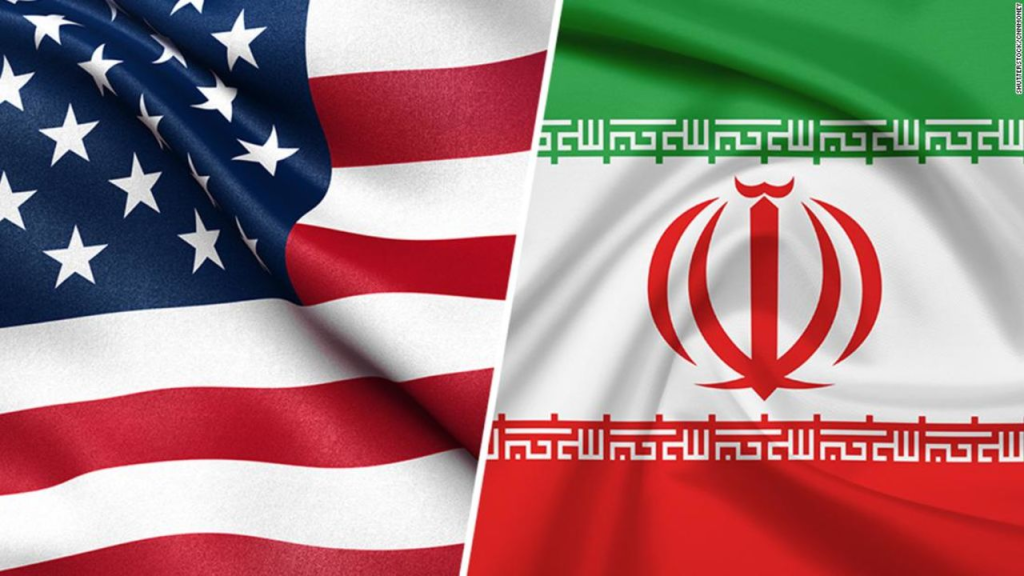
The current phase of the conflict has raised fundamental strategic questions about whether military superiority alone can achieve political objectives. Despite overwhelming military capabilities, history has repeatedly shown that major powers often struggle to translate battlefield advantages into lasting political success.
Analysts argue that the confrontation has reached what strategic studies describe as a strategic deadlock—a situation in which both sides retain the capacity to inflict significant costs on each other but lack a realistic path to securing their long-term political objectives at an acceptable price. Historical precedents, including the wars in Vietnam, Iraq and Afghanistan, demonstrate that technological superiority does not necessarily guarantee political victory.
Iran’s vast geography, large population, strategic location and energy resources have significantly strengthened its deterrence posture. Military analysts note that any large-scale conflict involving Iran would likely trigger consequences extending well beyond the country’s borders, affecting regional security, maritime trade and global energy markets.
Southern Iran and the Makran coast have gained increasing geopolitical importance because of their access to the Indian Ocean and proximity to the Strait of Hormuz, one of the world’s most critical maritime energy corridors. Any disruption in this region could have immediate implications for global oil markets and international shipping.
Iran’s expanding missile and drone capabilities have become central elements of its deterrence strategy. Security experts say such capabilities are designed primarily to increase the potential costs of military action by adversaries rather than to initiate conflict, thereby complicating strategic calculations in Washington and among regional actors.
The confrontation has also increasingly shifted beyond conventional warfare. Economic sanctions, cyber operations, intelligence activities, information campaigns and diplomatic pressure have become integral components of the broader strategic competition, making resilience, economic endurance and domestic stability as important as military strength.
Regional dynamics have further complicated the crisis. The presence of US military bases across parts of the Middle East has expanded Washington’s strategic reach while simultaneously increasing regional sensitivities. Analysts note that any escalation involving these installations could broaden the conflict beyond the immediate parties involved.
Observers argue that future regional security architecture will largely depend on how both sides manage escalation risks, maintain deterrence and avoid direct military confrontation. Continued tensions could reshape alliances, energy security, cyber competition and the balance of power across West Asia.
Historical experience suggests that prolonged conflicts generally conclude when the costs of continuation exceed the expected benefits. For that reason, many analysts contend that sustainable stability will ultimately depend not only on military capabilities but also on diplomacy, crisis management and regional security arrangements.
While critics of US foreign policy argue that Washington has repeatedly relied on military pressure without achieving its long-term political objectives, Iranian officials maintain that decades of confrontation have reinforced Tehran’s strategy of deterrence and strategic resistance. The future of the Iran-US rivalry is therefore expected to be determined not solely by military developments, but by political decision-making, economic resilience and diplomatic engagement.
By Abdul Raouf Tawana | DID News Agency