Gender Bias Persists in Afghanistan as Baby Girls Face Family Rejection
DID Press: Deep-rooted gender discrimination continues to affect families in Afghanistan’s Zabul Province, where the birth of a baby girl is still viewed by some households as a source of shame rather than celebration, exposing mothers and daughters to neglect, social stigma, and psychological harm.
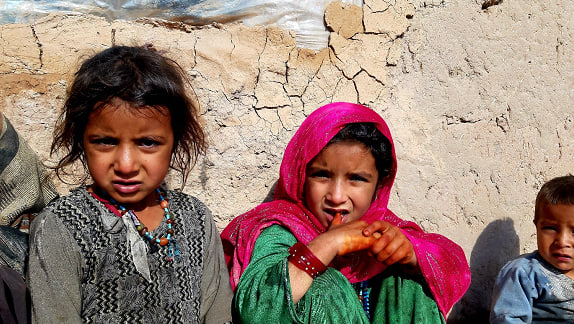
Despite decades of international assistance, domestic reform efforts, and Islamic teachings emphasizing the dignity and rights of women, discriminatory attitudes toward girls remain entrenched in parts of rural Afghanistan, according to interviews conducted by DID Press.
Zabul, one of Afghanistan’s most socially conservative provinces, remains among the areas where the birth of a son is often celebrated as a symbol of family pride, while the birth of a daughter can trigger disappointment, discrimination, and unequal treatment within the household.
Several women told DID Press they experienced neglect and emotional abuse after giving birth to daughters.
Halima, a mother of three, said her husband cared for her attentively after the birth of their son but ignored both her and their newborn daughter.
“When my son was born, my husband stayed by my side day and night. He brought medicine, milk, fruit—everything I needed. But when my daughter was born, he never even came to the hospital. He didn’t ask about me or the baby, and he didn’t even choose her name. My family treated me as if I had done something wrong,” she said.
Another woman, Rabia, who has four daughters, said her husband married a second wife because she had not given birth to a son.
“After my fourth daughter was born, my husband took another wife. Since then, he no longer treats me or my daughters with respect. He blames me for not having a son, even though it is not something I can control,” she said.
Civil society activists warn that such discrimination extends beyond individual families and has lasting consequences for Afghan society.
Rahmatullah Zahed, a civil society activist in Zabul, said women make up half of Afghanistan’s population and that no society can achieve sustainable development while systematically marginalizing them.
He argued that preference for sons stems from widespread illiteracy, limited public awareness, and cultural misconceptions rather than religious teachings.
“This is not only a problem in Zabul. It exists in many rural areas. People still believe having a son is a source of honor while having a daughter is a cause for shame. Islam recognizes both boys and girls as blessings from God,” Zahed said.
Residents of Zabul also acknowledged that discriminatory practices remain widespread and said authorities have yet to eliminate them.
Haji Bismillah, a resident of Shah Joy District, said unequal treatment of girls sometimes fuels domestic conflict and violence.
“Many families still do not value daughters. Some parents do not even give newborn girls a name immediately. This is a serious injustice that must end. Religious leaders, teachers, and the media should help raise public awareness,” he said.
Provincial authorities say efforts have increased since the Taliban returned to power to eliminate customs they describe as inconsistent with Islamic principles. In a statement provided to DID Press, local officials pledged to expand public awareness campaigns aimed at discouraging harmful social practices.
Rights advocates argue that discrimination against women and girls not only violates human dignity but also undermines Afghanistan’s long-term social and economic development. They say meaningful progress will require coordinated action by public institutions, religious leaders, educators, and civil society to challenge discriminatory traditions and promote equal respect for girls.