US Think Tank: Taliban Exploit Afghanistan’s Mineral Wealth
DID Press: A US think tank says Afghanistan’s mineral sector, estimated to be worth up to $1 trillion, has come under increasingly centralized Taliban control since the group returned to power in August 2021, with limited transparency surrounding mining contracts and revenues.
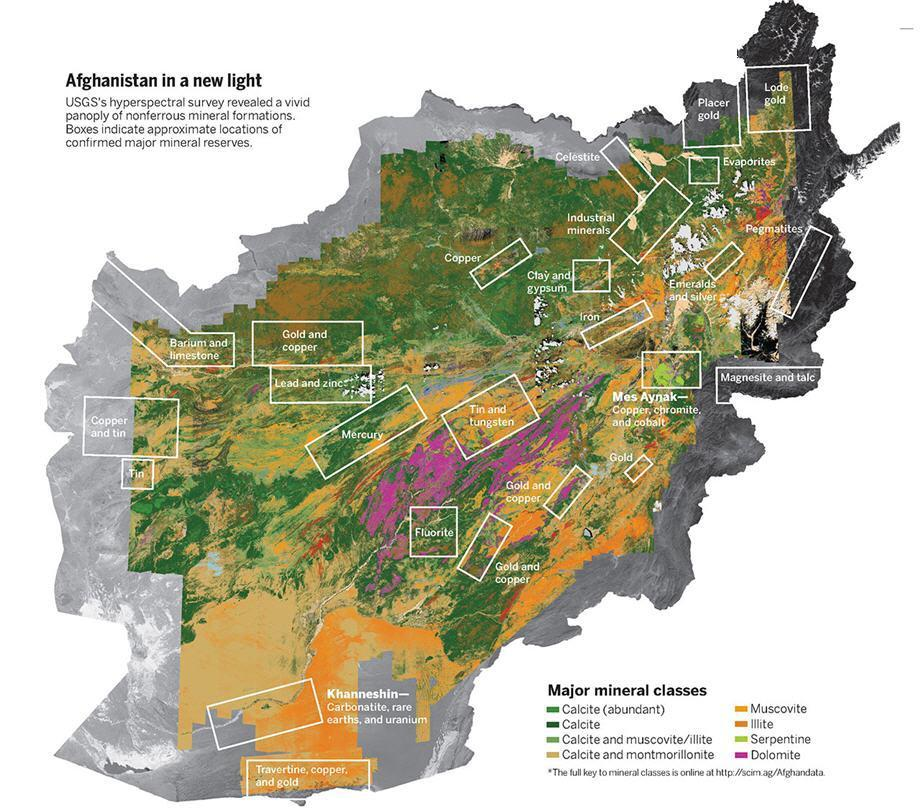
According to a new study by the U.S.-based Jamestown Foundation, the Taliban are using the country’s mineral resources primarily as a source of revenue and a tool of political influence rather than as a foundation for sustainable economic development. The report alleges that mining revenues are not being transparently transferred to public accounts and are instead benefiting networks close to the Taliban leadership.
In late June, the Taliban leadership reportedly deployed around 1,000 special forces personnel to Badakhshan to strengthen control over mining areas and bring extraction activities under direct central supervision.
According to estimates by the U.S. Geological Survey, Afghanistan has more than 1,400 mineral deposits across all 34 provinces, including copper, lithium, zinc, lead, antimony, cobalt and rare-earth elements. These resources have attracted interest from countries including China, India, Pakistan and the United States.
The report says the Taliban have awarded at least 205 mining contracts to more than 150 companies. In September 2023, the group announced mining agreements worth $6.5 billion. The Taliban-run Ministry of Mines and Petroleum also said in May 2024 that more than $7 billion in investment had been attracted from China, Qatar, Turkey, Iran and Britain. However, details of the agreements have not been made public.
The think tank also described Afghanistan’s suspension from the Extractive Industries Transparency Initiative (EITI) in June 2024 as another setback for transparency in the sector. It said transparency declined further after Hedayatullah Badri, a Taliban figure under international sanctions, was appointed acting minister of mines and petroleum in July 2024.
According to information cited in the report, more than 95% of reported mining revenues were disclosed during the first seven months of 2024, while only about $1 million in revenues was publicly accounted for during the following five months.
The study also alleges the existence of what it calls a “domestic mining mafia” that collects royalties, fees and direct payments from miners, traders and exporters. Nangarhar, which has deposits of talc, chromite and nephrite, reportedly has the highest concentration of mining contracts under the current administration.
The report further warns of serious social and environmental consequences from uncontrolled extraction. In northern Afghanistan’s coal mines, children as young as eight reportedly work without adequate safety equipment or machinery. In provinces including Takhar and Badakhshan, local communities have also faced forced displacement, declining resources, heavy water consumption and deadly disputes over mining rights and control.
The think tank concludes that Afghanistan’s mineral resources are currently being used primarily by the Taliban as a means of generating revenue, consolidating political control, distributing economic privileges and managing internal power, rather than as a mechanism for public welfare and sustainable development.