UNESCO: 2.4 Million Afghan Girls Barred From Education Since Taliban Takeover
DID Press: UNESCO said Tuesday that around 2.4 million girls in Afghanistan have been denied access to secondary education since the Taliban returned to power in 2021, deepening the country’s education crisis and threatening the future of its workforce.
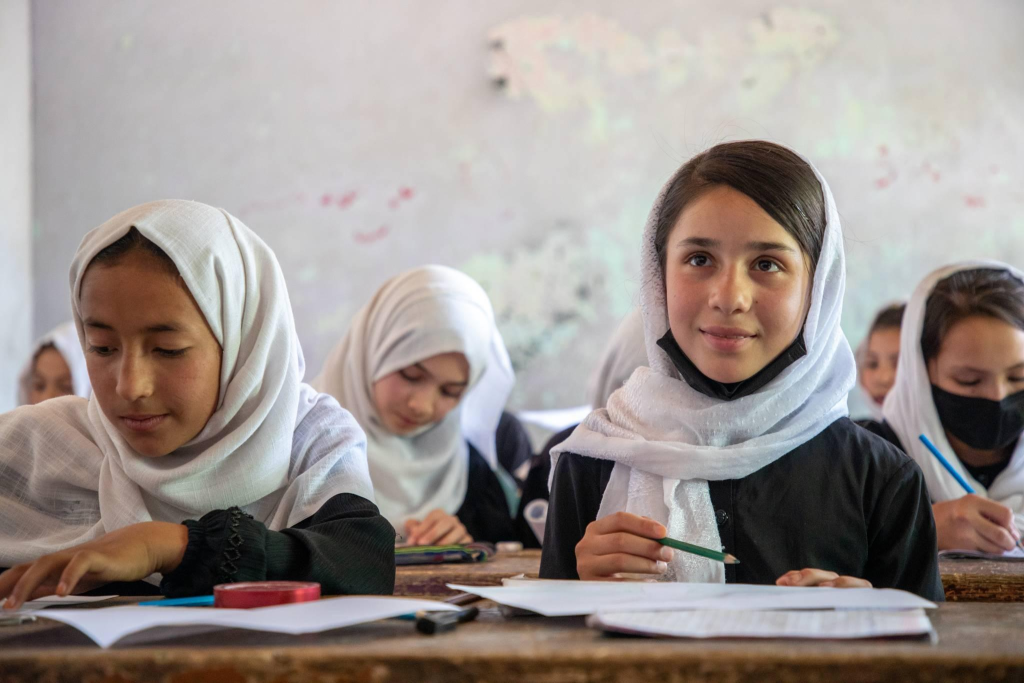
In a statement ahead of the fifth anniversary of the Taliban’s return to power, UNESCO said Afghanistan remains the only country in the world where girls and women are formally barred from secondary and higher education. Women have also been excluded from universities since 2022 and face sweeping restrictions on employment and participation in public life.
UNESCO warned that the consequences could extend well beyond the current generation. The agency estimates that restrictions on women’s education and employment could reduce the number of working women in Afghanistan by around 600,000 by 2066, resulting in an estimated $9.6 billion in economic losses. It also warned that prolonged exclusion from education could increase the risk of early marriage among girls.
Afghanistan is also facing a growing shortage of qualified female teachers. UNESCO estimates that the country could face a deficit of more than 11,000 qualified female teachers by 2030.
Hoda Jabarian, UNESCO’s coordinator for education in emergencies, said many Afghan teachers had left the country, while some of those who remained had been prevented from continuing to teach.
She added that restrictions on female teachers teaching boys had further reduced the pool of qualified educators, leaving some students without teachers or placing them under the instruction of inadequately qualified male teachers.
UNESCO stressed that Afghanistan’s education crisis extends beyond restrictions imposed on girls and women. According to the agency, more than 2 million primary-school-age children are also out of school for reasons unrelated to the Taliban’s restrictions on female education.
The quality of education is also a major concern. UNESCO said more than 90% of 10-year-old children in Afghanistan cannot read and understand a simple text, while the country’s literacy rate stands at around 37%.
The agency said the figures reflect a broader crisis involving access to education, gender equality and learning quality. Continued restrictions on girls’ education, it warned, will reduce the number of women entering skilled professions, including teaching and healthcare, ultimately weakening Afghanistan’s human capital and its capacity to provide essential services.