DID Press: As a new recruitment cycle begins in the Israeli military, the role of religious Zionist schools has once again come into focus. Students from these institutions joined combat units while singing religious chants, highlighting an organized network that combines religious education, settlement activity and military service.
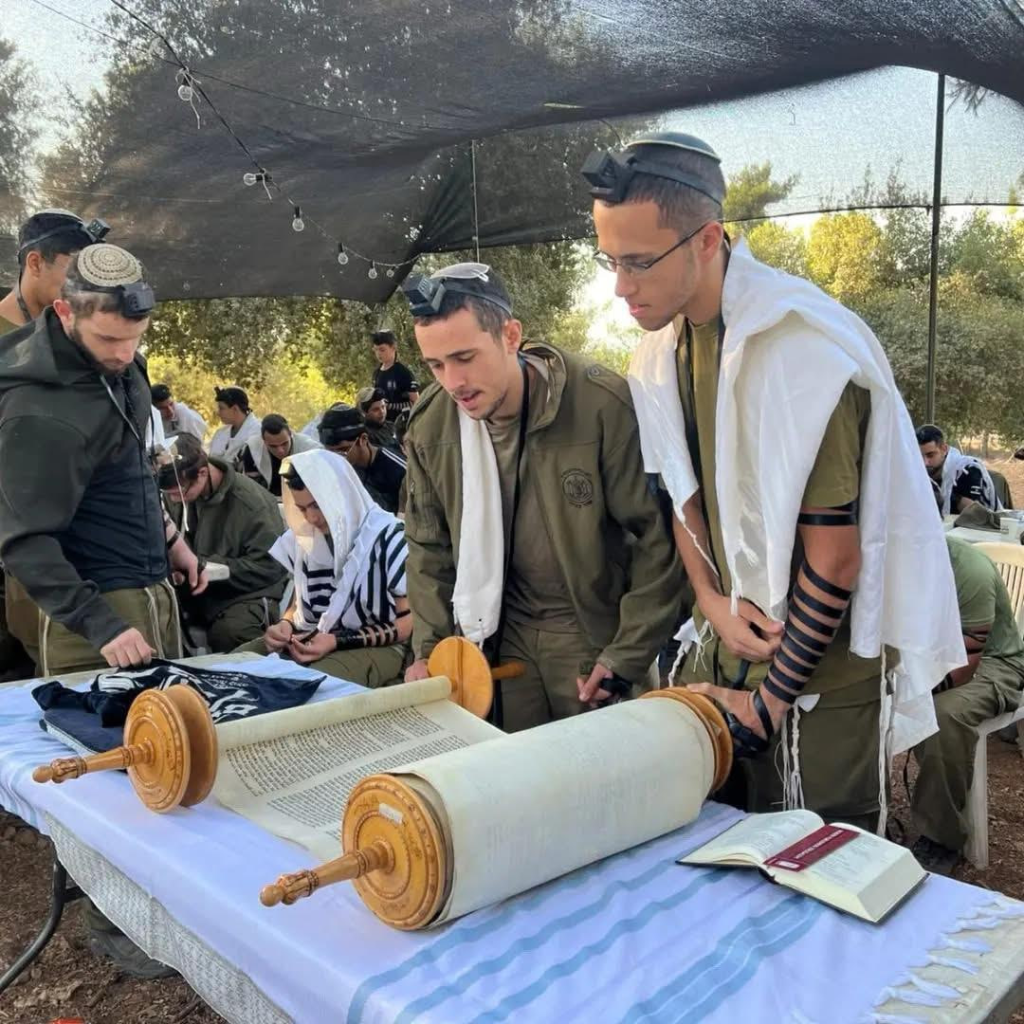
The Israeli military’s latest recruitment cycle saw a significant presence of students from religious Zionist schools, with young recruits joining the Golani Brigade while singing religious chants. The scene once again drew attention to the institutional role of religious schools in preparing religious recruits and integrating them into the Israeli military.
The institutions known as Hesder yeshivas were established in 1953 with the aim of combining Torah study with military service. The five-year program divides time between religious education and service in the military and gained greater importance following the 1967 war and the expansion of the religious Zionist movement. Today, around 70 Hesder institutions are active, with nearly 20 located in West Bank settlements. Approximately 1,700 students graduate from these institutions each year, and nearly 80 percent join combat units.
Alongside them, Mechina programs provide ideological and physical training during the year before military service. Of the 62 identified centers, 27 operate in the West Bank, producing around 1,400 graduates annually, more than 90 percent of whom enter combat units.
The significance of these institutions lies not only in the number of recruits they produce.
The presence of their graduates in infantry, armored and specialized units has enabled the religious Zionist movement to strengthen its position within the military, particularly at command levels. In recent years, especially during the Gaza war, the ideological connection between religious education and military service has received increasing attention. Some rabbis have even drawn on biblical concepts to interpret the war and conflict with Palestinians.
The extensive presence of these institutions in West Bank settlements is also significant, where religious education, settler life and military preparation are brought together. In this way, the path of a young person that begins with religious education can lead to military service and, in some cases, command positions.
This trend indicates that military recruitment from among followers of religious Zionism is not merely an individual decision by soldiers, but the result of an institutional network linking religious schools, ideological education, settlement activity and military service — a network whose consequences have become increasingly visible amid recent developments.