Jumakh Khan Fateh’s Arrest Puts Taliban Leadership Under Pressure
DID Press: The arrest and transfer of Jumakh Khan Fateh to Kabul is an event that should not be dismissed as merely an intra-group dispute. When the operation to suppress and disarm a local commander is led by influential figures such as Mullah Tajmir Jawad, one of the key founders of the Taliban’s intelligence and military structures, it suggests that the case is far more serious than a minor military rebellion in a remote province. The question now being raised is: Why would the case of a local commander cause concern among some senior Taliban leaders and officials in Kabul?
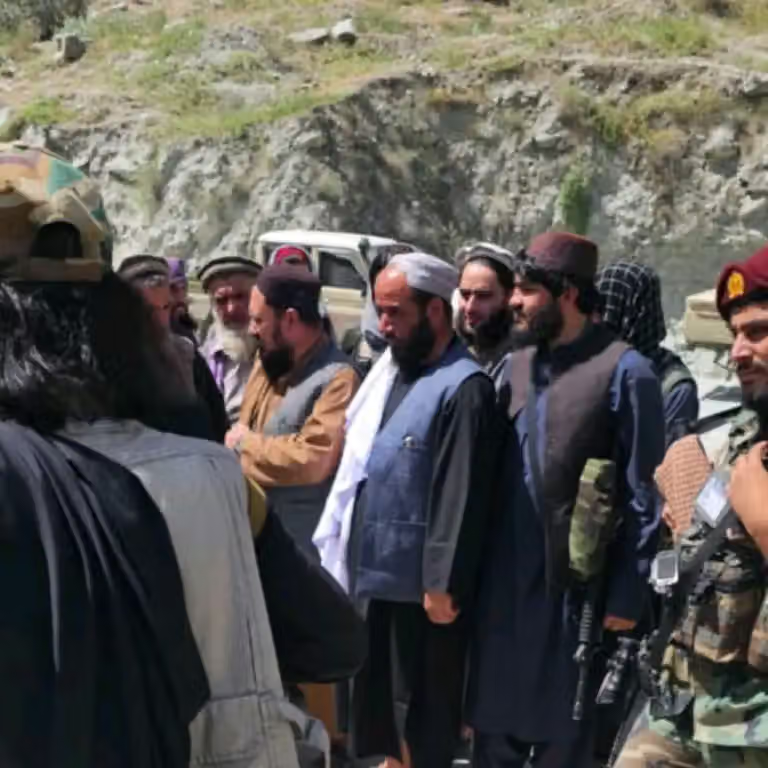
To understand this, it is first necessary to examine the financial foundations and economic networks behind the conflict. Reports and allegations about Fateh’s close links to networks and mafias associated with the Ministry of Mines and gold extraction shed light on a troubling reality: how Afghanistan’s underground wealth has become a major source of internal competition and factional alignments. In the absence of a transparent financial system and effective bureaucracy, gold mines and natural resources have become a domain for some field commanders and their senior supporters within the power structure. Fateh is, in effect, only the tip of an institutional iceberg in which mining wealth creates independent military power and regional monopolies — power that, once it exceeds a certain threshold, Kabul views as a direct challenge to its authority.
But the real source of concern among senior officials in Kabul begins with the moment of Fateh’s surrender, arrest and transfer to the capital. Fateh is no longer merely a rebellious or defiant commander; he has now become a potentially dangerous “black box” — a figure who is reportedly aware of hidden financial transactions, structural corruption and his high-level supporters within Kabul’s ministerial and military ranks. This is why serious speculation and concern have emerged over the possibility that he could be assassinated or physically eliminated while in custody. A genuine, comprehensive and transparent interrogation of Fateh could trigger a political explosion, potentially implicating senior figures in major corruption cases and local power struggles.
Meanwhile, the heavy costs and reports of significant casualties during the operation — with dozens reportedly killed or wounded on both sides — indicate the extent of the human and military price Kabul was prepared to pay to contain the network. Images showing senior military officials, including Qari Fasihuddin Fetrat, the Taliban army chief of staff, looking distressed and concerned have been cited as evidence of the depth of the crisis and anxiety within the senior ranks. They understand that a harsh and bloody crackdown on local commanders could intensify underlying discontent among rank-and-file forces with ethnic and regional loyalties and undermine military discipline within the Taliban administration.
The incident highlights a major challenge facing the Taliban in their fifth year in power: the difficult transition from a network of local militant structures to a centralized government. On the one hand, the senior leadership wants to demonstrate that no governor or commander can challenge Kabul by relying on mining wealth or locally loyal forces. On the other hand, a violent crackdown on such figures could deepen ethnic, regional and factional divisions and undermine the group’s outward appearance of unity.
In any case, it appears that the arrest of Jumakh Khan Fateh has unsettled senior Taliban figures. The case has placed Kabul before a difficult choice: Will they dare to expose Fateh’s alleged confessions and dismantle the networks surrounding mining wealth and corruption within the senior leadership, or will he become the victim of a political settlement carried out quietly behind closed doors before those secrets emerge?
Whatever the outcome, one reality is clear: The main struggle in Afghanistan today is no longer confined to external battlefronts. It is also being fought over the distribution of wealth and power in the shadows of Kabul.
By Sayed Baqer Waezi — DID News Agency