DID Press: Afghanistan continues to face transmission of wild poliovirus type 1 (WPV1), with the country’s southern provinces remaining the main area of concern in efforts to eradicate the disease, the World Health Organization (WHO) has warned.
According to a report by the Emergency Committee under the International Health Regulations, 14 new WPV1 cases have been recorded in Afghanistan since its previous meeting in January 2026. Eleven of those cases began in 2025, while three WPV1 cases have been reported so far in 2026.
Seventeen environmental samples testing positive for WPV1 have also been identified in Afghanistan this year. The WHO said transmission of the virus continues in southern and eastern areas, with evidence of prolonged and undetected circulation, particularly in the south.
The organization said cross-border transmission between Afghanistan and Pakistan remains a serious concern. Evidence of shared transmission between the two countries was recorded through the first quarter of 2026, while population movements—including the return of migrants from Pakistan to Afghanistan—could increase the risk of cross-border spread.
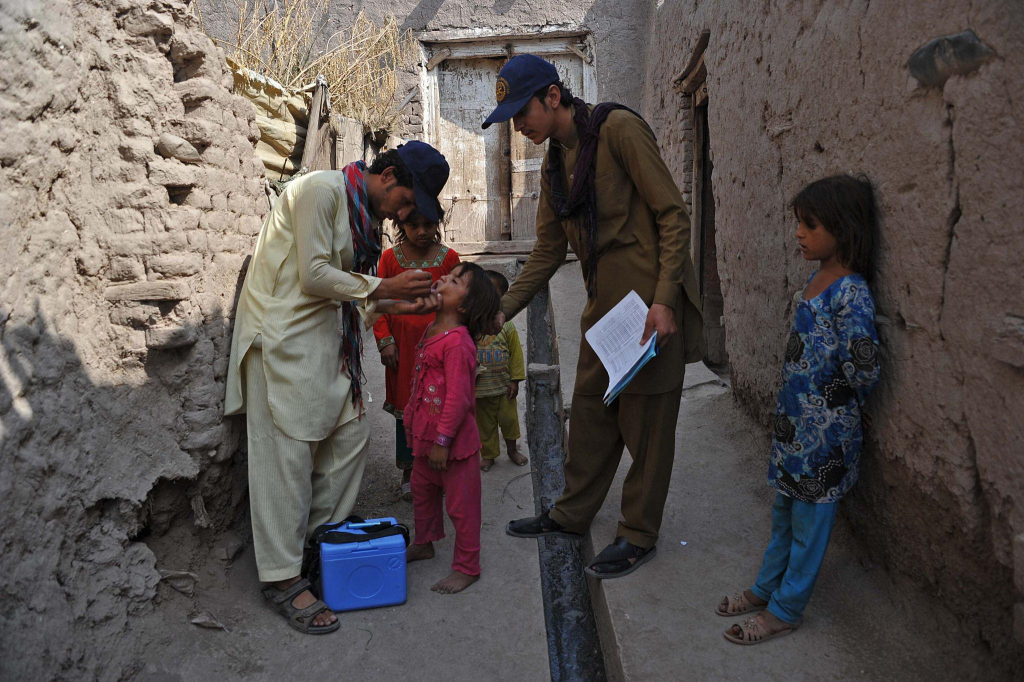
Afghanistan’s vaccination campaigns are currently conducted mainly through site-to-site vaccination. House-to-house campaigns have not been carried out since October 2024 because of security concerns.
The WHO also expressed concern over the limited participation of female vaccinators, particularly in southern Afghanistan, warning that this could leave some children—especially younger children—without access to vaccination.
Globally, WPV1 transmission has declined, but Afghanistan and Pakistan remain the only countries with endemic transmission of the virus. The WHO warned that the risk of international spread remains and called for stronger vaccination campaigns, health surveillance, access to all children, and closer cooperation between Afghanistan and Pakistan to end transmission completely.