Millions Unemployed in Iraq as Private Sector Remains in “Critical Condition”
DID Press: Iraq is facing a growing unemployment crisis, driven by the entry of hundreds of thousands of young people into the labor market each year and the government’s limited capacity to absorb new workers. At the same time, structural weaknesses in the private sector, insecurity, political interference and financial constraints have further reduced job-creation opportunities.
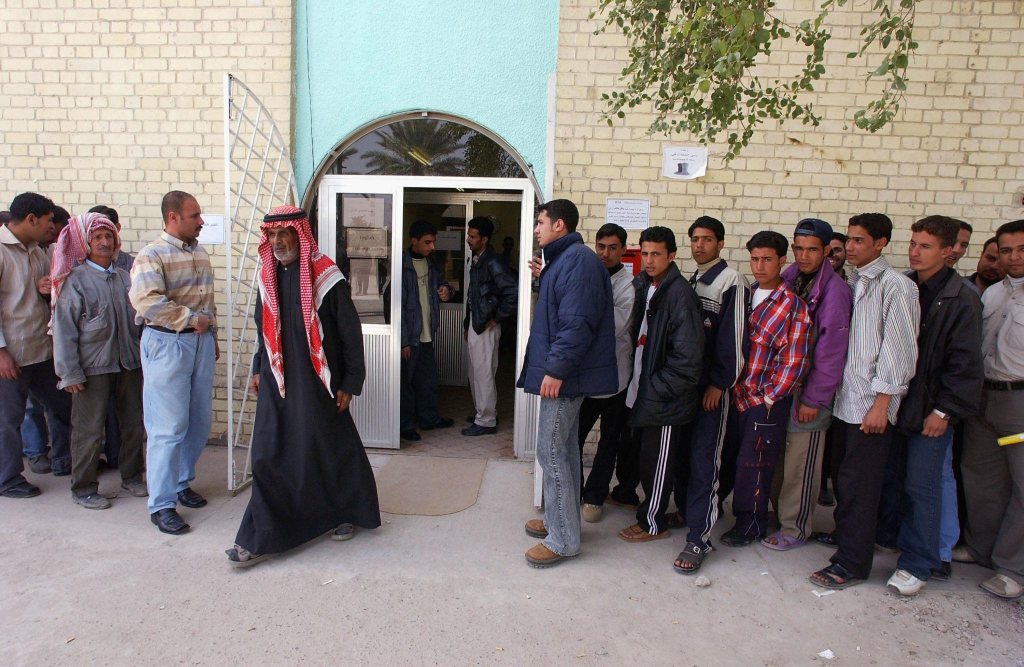
Unemployment has become one of Iraq’s major economic and social challenges. Estimates put the number of unemployed people between 1.5 million and 1.73 million, with the unemployment rate at around 13 percent. Young people account for a large share of the unemployed, while Iraq’s population has surpassed 46 million and hundreds of thousands of young people enter the labor market each year.
The Iraqi news website Shafaq News attributed the crisis to the country’s economic structure, which over decades has made the government the largest employer and hindered the development of a strong private sector.
Mazhar Mohammed Saleh, financial and economic adviser to Iraq’s prime minister, said the unemployment crisis cannot be resolved through large-scale government hiring. He argued that employment policies should instead focus on temporarily supporting young people as they enter the labor market through specialized training, temporary wage subsidies, low-cost financing for small businesses and directing workers toward sectors facing labor shortages.
Iraq’s private sector, however, faces significant obstacles. Jamal Koger, a member of parliament’s Finance Committee, cited uncontrolled weapons, political interference in the economy, regional instability, weak investment and banks’ limited capacity to finance private companies among the sector’s main challenges.
He also pointed to weak loan repayment and ineffective oversight, saying these problems have further deteriorated the private sector and left it in what he described as “clinical death.”
Foreign investment could also help unlock Iraq’s job-creation potential, but only if agreements and memoranda of understanding are translated into actual projects. Improving the business environment, reducing bureaucracy, protecting investment and creating incentives for companies to hire Iraqi workers are among the key conditions for achieving this goal.
Overall, tackling Iraq’s unemployment crisis will require reducing dependence on oil, strengthening production and trade, and reviving the private sector. Otherwise, youth unemployment could develop into a broader social and political challenge.