DID Press: Retired U.S. Navy Captain John Cordle has warned that extensive damage to Naval Support Activity (NSA) Bahrain following Iranian strikes could have significant operational and logistical consequences for U.S. naval forces in the Middle East.
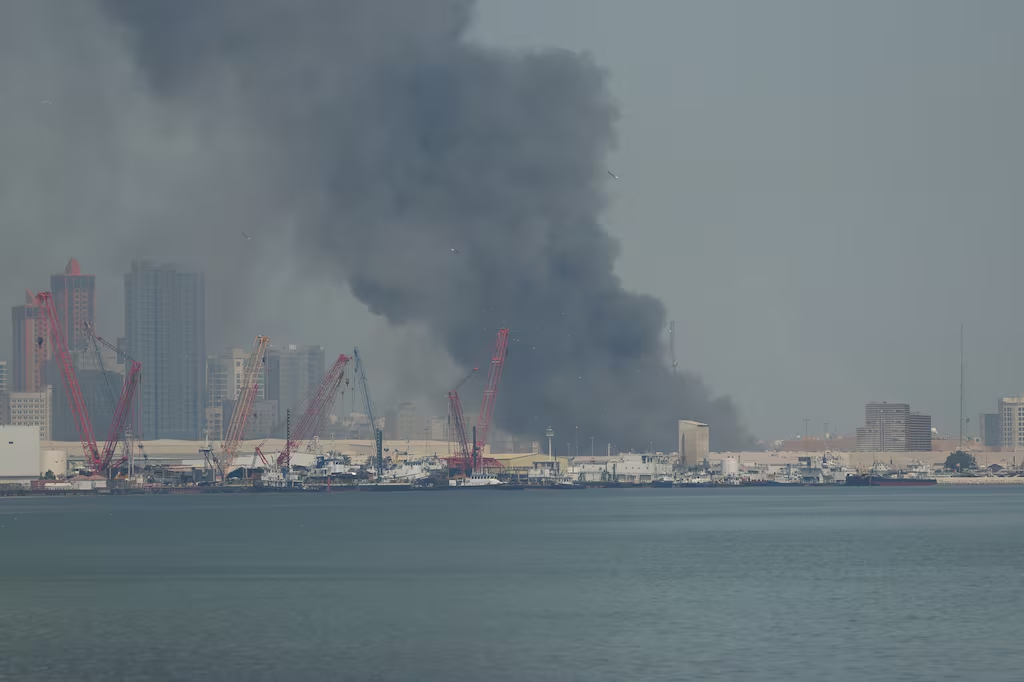
Writing in Navy Times, Cordle said the Bahrain facility, which hosts U.S. Naval Forces Central Command (NAVCENT) and the U.S. Fifth Fleet, has been severely degraded. He described the base as “virtually uninhabitable” and said the damage was estimated at nearly $400 million.
According to Cordle, damaged facilities include the Fifth Fleet headquarters, barracks, warehouses, communications towers and a potable-water station. Several vessels, including U.S. Coast Guard ships, as well as a large number of personnel and facilities, have reportedly been relocated. He said U.S. military sources indicated that no one was killed or seriously injured at the base.
The $400 million figure is a reconstruction estimate, rather than an officially released Pentagon damage assessment. The Wall Street Journal previously reached a similar estimate using satellite imagery, Defense Department construction models and procurement data, while noting that the figure covered construction costs and excluded some additional expenses.
Cordle argued that the consequences extend beyond physical destruction, particularly because NSA Bahrain has historically provided logistical support for U.S. ships, aircraft, personnel and cargo operating throughout the region.
He said disruptions to the supply of spare parts, food, mail and equipment for the aircraft carrier USS Abraham Lincoln illustrate how damage to Bahrain could affect wider naval operations. According to his assessment, supply routes that once stretched hundreds of miles could now extend thousands of miles, increasing the logistical burden on U.S. forces.
Despite the damage, Cordle stressed that the Fifth Fleet remains operational, but warned that the degradation of the infrastructure supporting its command and logistics could fundamentally affect how the U.S. Navy deploys, supplies and maintains its forces in the Gulf.