Taliban Pressure on Shiite Institutions Raises Questions Over Religious Tolerance
DID Press: Recent developments in Kabul, including the nighttime encirclement and entry by officials from the Taliban’s Ministry of Justice into the Khatam al-Nabieen seminary and university, the cutting of electricity in the area, reports of physical confrontation with students, and the detention of at least 28 teachers and students, represent a troubling development in the pattern of the Taliban authorities’ treatment of Shiite institutions.
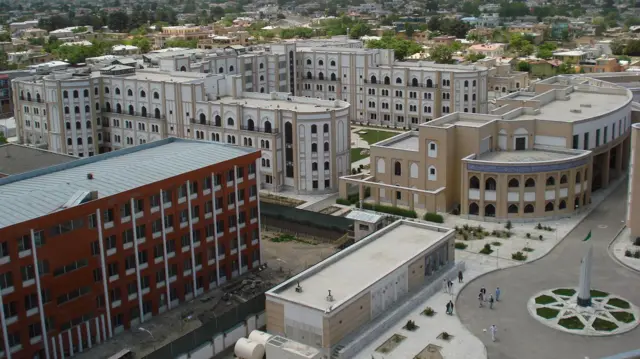
These actions, coupled with pressure on Tamadon TV, go beyond what appears to be a simple administrative or property dispute and raise broader concerns about the Taliban’s approach toward independent educational, religious and media institutions serving Afghanistan’s Shiite community.
The Taliban Ministry of Justice has cited two main grounds for its actions: allegations that the institutions are affiliated with the now-dissolved Harakat-e Islami political party and claims that the land on which the buildings were constructed was unlawfully seized. However, supporters and officials associated with the institutions have rejected these allegations, saying the late Ayatollah Asif Mohseni had withdrawn from political party activities years before his death and that the institutions operated primarily as educational and religious centers. They have also repeatedly maintained that they possess religious and legal ownership documents for the properties.
Against this backdrop, the use of the “land seizure” allegation to justify the closure of institutions that have operated for years as centers of education and religious activity has raised concerns among Shiite figures and supporters that property claims could be being used as a mechanism to restrict independent religious institutions.
Another significant aspect of the dispute is the response of Shiite scholars and community leaders, who had exercised restraint in recent months. The management of the Khatam al-Nabieen seminary and Tamadon TV had suspended their formal activities, reportedly following recommendations from religious scholars, community elders and mediators, in an effort to prevent social tensions and resolve the dispute through dialogue and legal channels.
The subsequent confrontation, including the reported nighttime operation and arrests, has intensified criticism that restraint and attempts at negotiation have not produced a satisfactory resolution.
Broader Social and Political Consequences
Deepening social and sectarian divisions: Khatam al-Nabieen seminary and university have long been important religious and educational institutions for Afghanistan’s Shiite community. Reports of force being used against students and teachers could deepen perceptions of religious insecurity and widen the gap between the community and the authorities.
Risks to social stability: The reported gathering of residents around the seminary demonstrates the sensitivity of the issue within the local community. Continued reliance on force in dealing with such gatherings could fuel broader civil discontent.
Questions over rule of law: The use of nighttime operations and coercive measures, alongside disputes over property documentation and legal procedures, has raised questions about transparency and due process. Critics argue that such actions could undermine the Taliban’s claims of ensuring justice and security.
Meanwhile, Tamadon TV’s decision to resume broadcasting online and publish documents concerning its dealings with the Ministry of Justice demonstrates the growing ability of media organizations to continue operating despite physical restrictions on their facilities.
Physical control of buildings and seizure of equipment may restrict conventional broadcasting, but they do not necessarily eliminate an institution’s ability to communicate with the public through digital platforms.
Sustainable governance requires tolerance, respect for religious diversity, and adherence to legal procedures. Critics of the Taliban’s approach argue that coercive measures against religious and educational institutions risk deepening social tensions rather than resolving disputes.
By Sayed Mohammad Baqer Waezi | DID News Agency