Afghanistan Falls to Bottom Tier of Global Freedom Rankings
DID Press: Afghanistan has fallen to the bottom tier of global democracy and freedom rankings, with international assessments documenting a sharp deterioration in political rights and civil liberties under Taliban rule. Freedom House’s 2026 report gives Afghanistan just 8 out of 100, including 1 point for political rights and 7 for civil liberties, placing the country in the “Not Free” category.
The Freedom House assessment says the Taliban has suspended political and civic rights, abolished representative bodies and prohibited criticism of its rule. It also gives Afghanistan zero points for national electoral processes and political pluralism, reflecting the absence of competitive national elections and political parties.
According to the Economist Intelligence Unit’s Democracy Index, Afghanistan’s score has also fallen dramatically, from 2.85 in 2020 to 0.32 in 2021 and 0.25 in 2024 and 2025, according to the figures cited in the report. The decline reflects the removal of major mechanisms for political participation following the Taliban’s return to power.
National elections have not been held under the Taliban administration, while political parties have been prohibited from operating. At the same time, a field survey involving 400 respondents in six provinces reportedly found that 91.5% considered elections the preferred method for choosing the country’s leadership.
Civilian protest has also faced significant restrictions. On June 9, 2026, the United Nations Assistance Mission in Afghanistan (UNAMA) said de facto security forces used excessive force against residents protesting in Herat’s Jibreil area. UNAMA confirmed that at least one boy was killed by gunfire and several others were injured, including people beaten with sticks. The mission said it was also verifying a report of a second fatality.
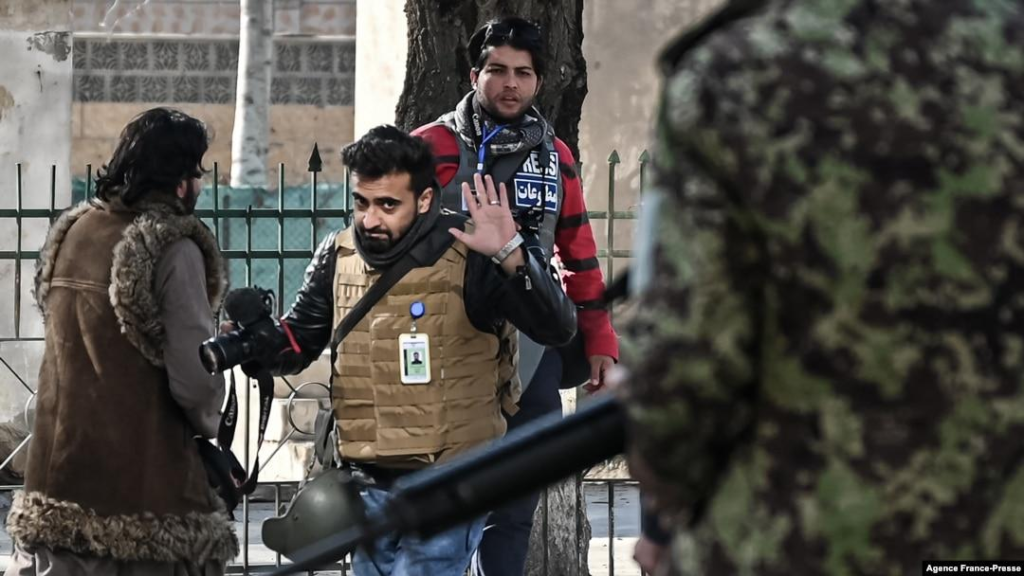
Media freedom has likewise come under severe pressure. Nai, an organization supporting Afghan media, reported in August that it had documented more than 700 cases of violence against journalists and media workers during the five years of Taliban rule. The organization said at least six journalists had been killed, around 400 journalists and media workers arrested, and roughly 300 cases of beatings recorded.
Nai also reported that nearly 5,000 journalists and media workers had lost their jobs and about 500 media outlets had ceased operating over the five-year period.
Taken together, the assessments point to the contraction of electoral participation, political pluralism, freedom of assembly and media freedom in Afghanistan since the Taliban takeover. Freedom House’s 2026 assessment similarly states that the Taliban exercises political authority without a constitution and that journalists face restrictions through edicts and the threat of violence.