Unprotected Skies, an Indifferent World: A Narrative of Midnight Attacks in Eastern Afghanistan
DID Press: Around 3 a.m., while residents of Chogam Valley in Afghanistan’s Kunar province were asleep, an Afghan civilian home was reportedly hit in a Pakistani airstrike, killing five people, including several children, and sending three others, including two women, to hospital. The incident, according to the author, is not an isolated event but part of a broader pattern of cross-border attacks.
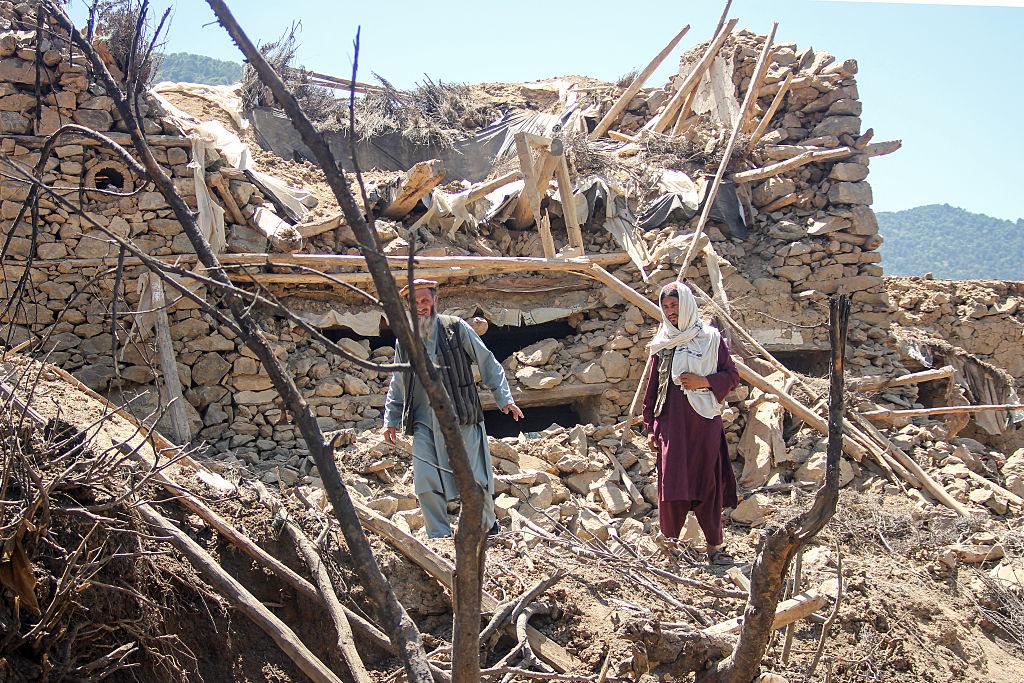
The latest strikes on Kunar and Helmand were reported on October 1. Afghan authorities said civilians, including women and children, were killed and injured. UNAMA later confirmed that at least 10 civilians were killed, most of them children, and nine others were injured. Pakistan said its strikes targeted militant hideouts and claimed 22 militants were killed; Reuters said the competing claims could not be independently verified.
Afghanistan’s border provinces, including Kunar, Khost, Paktika and Nangarhar, have repeatedly been affected by Pakistani airstrikes, drone attacks and artillery fire in recent years. UNAMA said on October 1 that it had documented more than 1,100 civilian deaths and injuries from cross-border armed violence in Afghanistan during 2026, while also confirming three civilian deaths in a separate Kunar airstrike on September 21.
Islamabad has repeatedly justified such operations as measures against terrorism and militant groups operating from Afghan territory. Pakistan has accused the Taliban authorities of allowing the Tehrik-e-Taliban Pakistan (TTP) and other militants to operate from Afghanistan, while Kabul has denied supporting such groups and has described militancy as an internal Pakistani problem.
The article criticizes what it describes as the limited international response to cross-border attacks and civilian casualties in Afghanistan. It argues that the international community’s response has been insufficient compared with the scale of the reported civilian harm. The author also links the repeated airstrikes to what he describes as Afghanistan’s structural weaknesses in air defense and national deterrence.
The absence of effective air-defense capabilities limits Kabul’s ability to respond to violations of its airspace and reduces the potential cost of cross-border military action. The article further argues that the attacks expose challenges facing the Taliban authorities in protecting Afghanistan’s territorial integrity. It says that repeated airstrikes have raised questions about the Taliban’s ability to establish an effective system for protecting Afghan airspace and responding to attacks from neighboring states.
The deaths of civilians in Kunar should serve as a warning about the importance of protecting Afghanistan’s territorial integrity and civilian population. He argues that without a more effective defensive and deterrent strategy, similar incidents could recur elsewhere along Afghanistan’s borders.
By Sayed Baqer Waezi — DID News Agency