Islamabad Against Islam: Standing Alongside Tel Aviv and Washington
DID Press: Pakistan’s deployment of tens of thousands of troops to Saudi Arabia, at a time when the war in Yemen remains one of the longest-running and most costly humanitarian crises in the Muslim world, raises serious questions about the direction of Islamabad’s foreign policy. Reuters has reported that between 30,000 and 40,000 Pakistani troops have been deployed in Saudi Arabia, with their mission described as strengthening border defenses and countering missile and drone attacks. Pakistan, however, says it currently has no plans to deploy these forces inside Yemen.
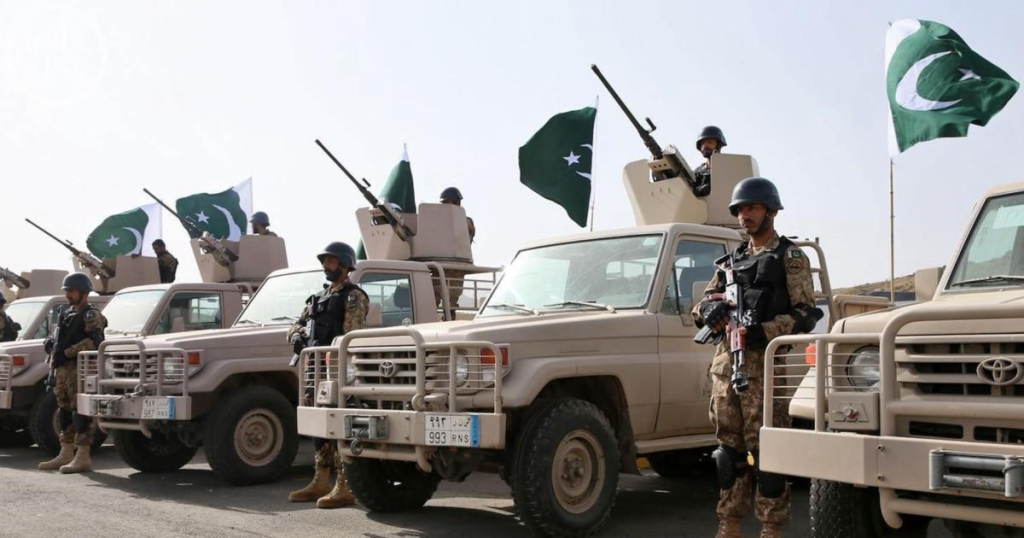
The issue, however, is not only where Pakistani forces are stationed, but also which side Pakistan is supporting in the current Yemen equation. Saudi Arabia is considering military options to retake areas around the Bab al-Mandab Strait from Ansar Allah forces. Pakistan’s military presence, even if initially defensive in nature, could strengthen support for this military posture.
This approach appears to contradict the image Islamabad presents of itself as a Muslim country committed, at least publicly, to defending Muslim interests. At a time when the people of Yemen have for years borne the heavy costs of war, blockade, displacement and the destruction of infrastructure following what the report describes as Saudi aggression and a U.S.- and Israeli-backed military coalition, prioritizing the strengthening of this “black triangle’s” military capabilities, rather than putting pressure on the party responsible for the aggression, places Pakistan alongside powers that the report describes as openly hostile to Islam and Muslims: the United States and Israel.
From this perspective, Pakistan’s military presence in Saudi Arabia is not merely a bilateral defense cooperation arrangement between Islamabad and Riyadh. Rather, the report argues that it signals deeper integration between Islamabad and Riyadh’s security architecture within the framework of U.S. and Israeli military and security interests.
On the one hand, Islamabad emphasizes Islamic solidarity; on the other, it places its military capabilities at the disposal of one of the principal parties in the Yemen conflict. The report argues that this approach could have serious consequences for regional security and could place Pakistan alongside the United States and Israel.
The report further argues that Washington and Tel Aviv have a deeply negative record in Yemen and have played a major role in the killing of Yemeni civilians, worsening their economic and living conditions, and contributing to the destruction of infrastructure in the war-torn Muslim country. From this perspective, any country that assists Riyadh in suppressing Ansar Allah in Yemen would, willingly or unwillingly, also find itself aligned with the United States and Israel.
By Mohsen Mowahed | DID News Agency