DID Press: Rising tensions between Pakistan and Afghanistan, ranging from border clashes and airstrikes to disputes over the activities of Tehreek-e-Taliban Pakistan (TTP), have brought relations between the two countries to a critical point. However, their geographic and economic interdependence makes prolonged confrontation costly and difficult.
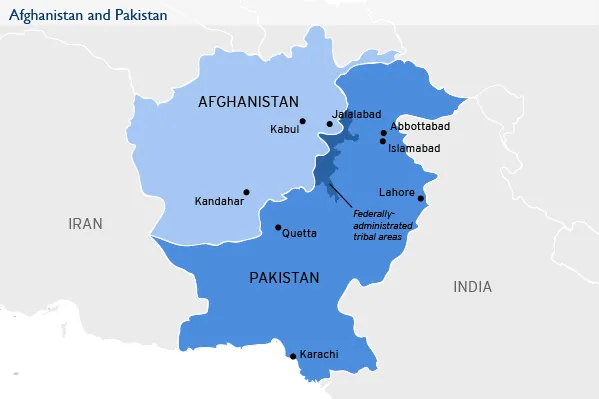
According to an analysis published by The Express Tribune, Pakistan accuses Afghanistan of allowing the TTP to operate from its territory, while Taliban authorities reject the allegation and accuse Pakistan of violating Afghan sovereignty. Amid continued attacks, Islamabad’s approach has shifted from diplomacy toward military measures, with Pakistani airstrikes in 2026 becoming a significant feature of bilateral relations.
The report says Pakistan’s diplomatic efforts in 2025, including a visit to Kabul, a trilateral meeting with China and an agreement to upgrade diplomatic relations, failed to resolve the two countries’ security disputes.
Economic consequences have also increased. Bilateral trade was reported at nearly $2 billion in the 2024-25 financial year, while repeated closures of trade routes have prompted Afghan traders to turn to routes through Iran and Central Asia.
The report notes that projects including the Trans-Afghan Railway, CASA-1000 and the TAPI gas pipeline depend on regional stability and cooperation between Afghanistan and Pakistan.
The Express Tribune also calls for a change in approach by both countries, arguing that Afghanistan should address the TTP issue based on its own interests and sovereignty, while Pakistan should not rely on its past influence to manage current relations.
The article concludes that the mountains, border crossings and shared frontier between the two countries will not change, leaving Afghanistan and Pakistan to choose between further confrontation and turning their shared geography into a channel for trade and cooperation.