Taliban Rejects Talks With Political Opponents, Maintains Ban on Girls’ Education
DID Press: Shahabuddin Delawar, head of the Taliban’s Commission for Contact with Afghan Personalities, has ruled out negotiations with political opponents, saying the group does not consider them legitimate parties to Afghanistan’s political conflict. He also said the ban on girls’ education beyond grade six would remain in force until further notice.
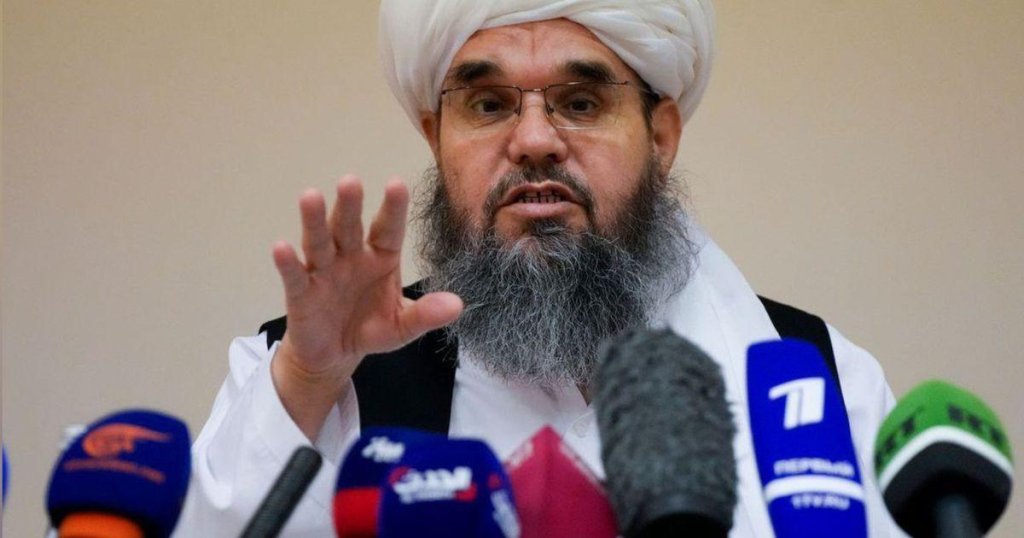
Speaking to Shamshad TV in Kabul, Delawar said negotiations with opponents would amount to granting them political status, which the Taliban would not accept. He described the group’s opponents as “few in number” and claimed they lacked the political weight required to take part in negotiations.
Delawar also claimed that the word “woman” does not appear in the February 2020 Doha agreement between the Taliban and the United States, and that women’s rights were not discussed during the negotiations.
Delawar’s latest comments differ from statements he reportedly made during the Doha negotiations, when he said women had the right to study up to doctoral level and to work, and that the Taliban would respect those rights. Reports have also linked his subsequent departure from the Ministry of Mines and Petroleum to his position on girls’ education, although that connection has not been independently confirmed.
The Doha agreement, signed by the United States and the Taliban on February 29, 2020, envisaged the start of intra-Afghan negotiations. However, the process did not produce an inclusive political settlement. The agreement’s text and the Taliban’s subsequent policies on women and girls’ education remain separate issues