DID Press: Ignis Rex, a Singaporean political activist and supporter of resistance movements, has argued that the continued political and military presence of Yemen’s Ansarullah movement, despite years of war and Saudi military pressure, demonstrates Riyadh’s failure to achieve its objectives in Yemen.
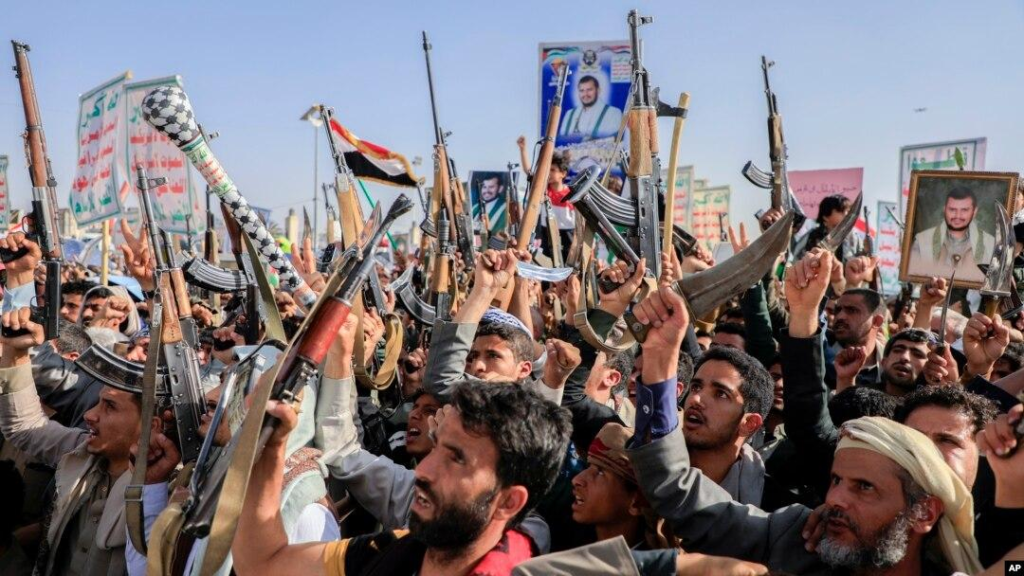
In a post on the social media platform X, Rex said the survival of a movement facing a militarily superior adversary with extensive foreign support was itself evidence of its resilience and capacity to resist.
Rex described attacks attributed to Ansarullah on Saudi territory, including the reported attack on Riyadh airport, as evidence of vulnerabilities in Saudi Arabia’s security. He argued that despite the kingdom’s access to advanced US-made missile defence systems, it had been unable to prevent all drone and missile attacks, putting pressure on its image as a secure and modern regional hub.
The activist also criticized what he described as double standards in Western media coverage of the Yemen war. He argued that Saudi airstrikes that killed Yemeni civilians had sometimes been described as “collateral damage,” while Ansarullah’s retaliatory operations were labelled “terrorism.” According to Rex, such language can shape a one-sided narrative of the conflict rather than reflect impartial reporting.
Addressing criticism of Ansarullah’s governance, Rex highlighted the challenges of administering areas under the movement’s control amid war, bombardment and blockade. He said institutions such as schools and hospitals continued to operate in those areas, while the political structure backed by Saudi Arabia faced problems involving corruption and institutional breakdown.
Rex argued that Ansarullah’s strategy should not be judged solely against the standard of establishing a Western-style political system. Instead, he identified preventing a Saudi military victory, imposing costs on Riyadh and maintaining Yemen’s independent decision-making as key objectives of the movement.
He further described Ansarullah’s continued survival as a sign of shifting regional power dynamics. Rex argued that Western support for Gulf monarchies did not guarantee their complete security, adding that the movement’s ability to withstand Saudi military pressure raised questions about the effectiveness of US-backed defence systems and regional security strategies.