Iran’s Strategic Position and Future of the Muslim World
DID Press: Developments in the Middle East cannot be analyzed solely through the lens of the confrontation between Iran and Israel or the disputes between Tehran and Washington. These developments are linked to competition among major powers, energy security, the future of a multipolar world order, and US efforts to maintain its global dominance. Iran, given its geopolitical position, energy resources, defensive capabilities, and regional standing, is one of the key players shaping this equation.
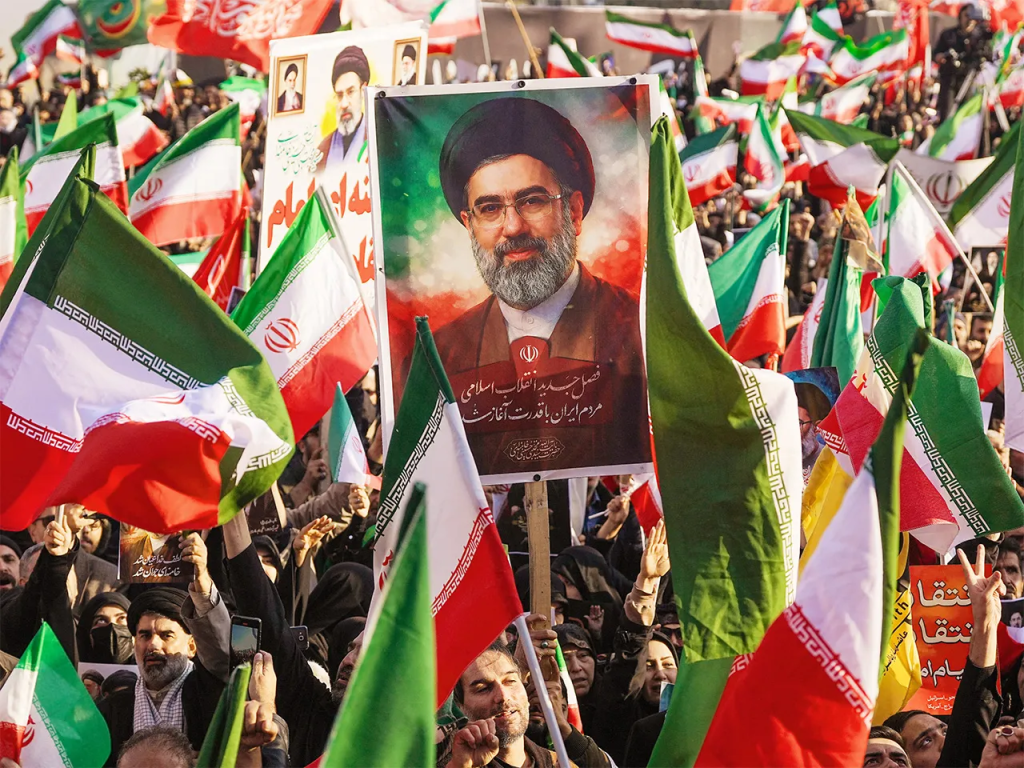
From this perspective, a large-scale war against Iran could extend beyond a regional conflict, affecting the security of the Muslim world, the interests of China and Russia, and the stability of the global economy.
1. The Alleged Kissinger Narrative: Fact or Psychological Warfare?
A text attributed to Henry Kissinger, the former US secretary of state, describes Iran as the starting point of World War III and refers to a plan to occupy countries across the region. However, these statements were published on the political satire website The Daily Squib. Without credible evidence, they cannot be treated as authentic, documented remarks by Kissinger.
This does not diminish the importance of strategically analysing developments in the region. Competition among major powers, military and economic pressure, and efforts to alter the regional balance of power are real issues that must be examined through evidence and governments’ actual conduct, rather than unverified quotations.
2. Why Is Iran at the Centre of Regional Calculations?
Iran’s importance stems from three fundamental factors:
Geopolitics and energy: Iran’s location near the Strait of Hormuz means that any large-scale conflict could become a global concern, affecting energy markets and international trade.
Defence capabilities and geography: Iran’s vast territory, geographical conditions, and defensive capabilities could increase the cost and complexity of any military attack.
International standing: Iran’s relations with China and Russia, along with its position in West Asia, make it an influential factor in competition among major powers.
Consequently, a war against Iran would not necessarily remain confined to its borders and could have regional and global repercussions.
3. A War for Survival: For Iran and the Muslim World
The term “war for survival” becomes meaningful when a country’s national security, political independence, territorial integrity, and economic future are under threat. In the event of a large-scale war, Iran would face the risk of infrastructure destruction, economic pressure, and human losses.
The consequences of such a war could spread to other countries in the region. Iran’s security is therefore connected to stability in West Asia and the shared interests of many Muslim countries. However, the Muslim world is not a unified bloc, and Muslim-majority states have different interests and foreign relations.
The central challenge is to turn these shared interests into practical cooperation to prevent war, protect civilians, and preserve regional stability.
4. China and Russia: Allies or Pragmatic Partners?
China depends on energy security and the continuity of global trade, while Russia also has strategic interests in the security dynamics of West Asia. Both countries could suffer from Iran’s weakening or the expansion of a regional war.
However, shared interests do not necessarily mean that these countries would enter a war directly to defend Iran. Each state makes decisions according to its national interests, potential costs, and strategic priorities.
Iran should therefore strengthen its relations with these powers without making its national security dependent on their military support. One of the most important elements of Iran’s strategic strength is maintaining independent decision-making and relying on its domestic capabilities.
Such independence, combined with the expansion of international cooperation, could help prevent one-sided dependence. Foreign cooperation should complement national strength, not replace it.
5. Is the Goal to Preserve a Unipolar World Order?
The United States seeks to maintain its global influence, while Israel seeks to preserve its regional military superiority. These interests overlap in some areas. However, proving the existence of a unified plan to occupy half of the Middle East or destroy the Muslim world requires credible evidence.
Interventionist policies, economic pressure, and attempts to change the regional balance of power can be subjected to serious criticism and scrutiny without relying on unsubstantiated narratives.
6. Iran’s Strategy: From Deterrence to National Resilience
Iran’s strategy should rest on five fundamental pillars:
1. Defensive deterrence: Increasing the cost of any aggression while managing tensions and preventing miscalculations.
2. Strengthening the national economy: Reducing vulnerability to sanctions, protecting critical infrastructure, and ensuring a stable supply of essential goods.
3. Social cohesion: Strengthening public trust, countering rumours, and improving society’s resilience to economic and psychological pressure.
4. Regional diplomacy: Expanding cooperation with neighbouring and Muslim-majority countries to prevent the spread of war and safeguard regional security.
5. Strategic independence: Developing relations with China, Russia, and other countries without becoming wholly dependent on the decisions of foreign powers.
A country’s survival depends on more than military strength. A resilient economy, a cohesive society, effective diplomacy, and the ability to rebuild after a crisis are also essential pillars of national security.
Conclusion: The Future Has Not Yet Been Decided
Iran stands at the forefront of one of the world’s most significant geopolitical equations. Any large-scale war against the country could affect the security of the Muslim world, energy markets, and the interests of major powers such as China and Russia.
Nevertheless, a third world war is not inevitable, and developments cannot all be attributed to a definitive, predetermined plan.
Three principles should underpin Iran’s strategy: military strength is insufficient without economic resilience; regional cooperation cannot endure without an understanding of shared interests; and deterrence without diplomacy can increase the risk of a wider war.
The future of Iran and the region has not been written in advance. Preserving the country’s independence and security depends above all on national strength, social cohesion, effective diplomacy, and the ability to prevent regional rivalries from escalating into a widespread conflict.
By Dr Abdul Rauf Tawana | DID News Agency