Ayatollah Khamenei Delivers Message on Iran’s National Day of Fighting Global Arrogance
DID Press: Ayatollah Seyed Mojtaba Hosseini Khamenei, the Leader of Islamic Revolution in a message marking Iran’s National Day of Fighting Global Arrogance, said November 4 this year brought together several defining moments in what he described as the confrontation between the front of truth and the front of falsehood, and between the oppressed and the oppressors.
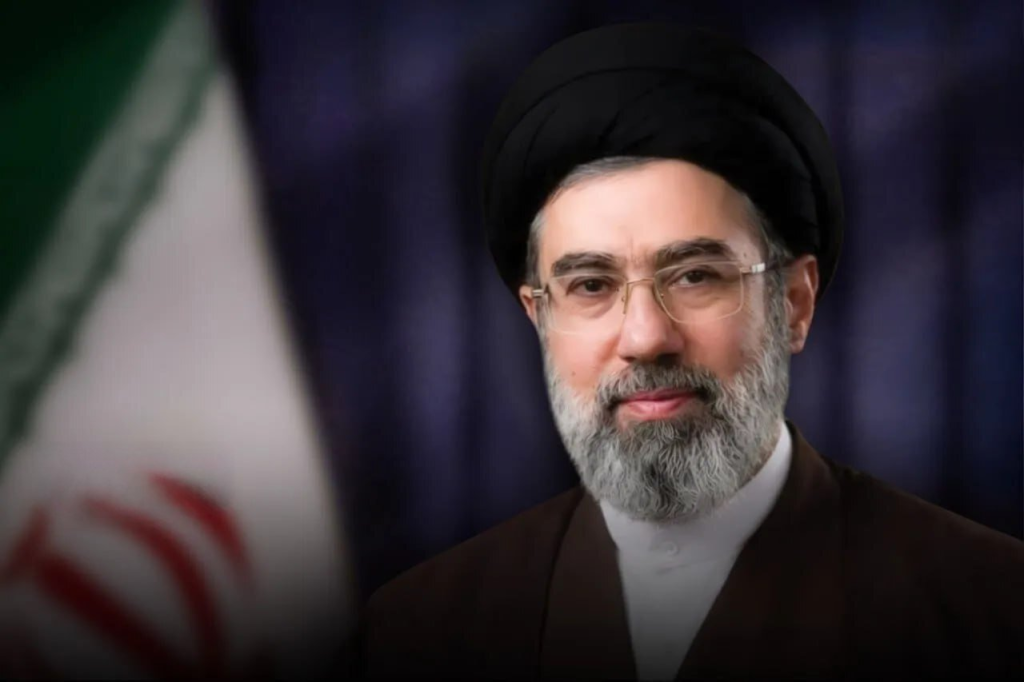
He said the Iranian people had a clearer understanding than ever of their position toward what he called the “criminal United States,” adding that examining the roots, causes and key turning points in the growing hostility between Washington and Tehran was essential to understanding the path ahead.
Khamenei traced the beginning of what he described as US oppression against Iran to more than seven decades ago, citing the August 1953 coup, which he said was orchestrated to ensure continued exploitation of Iran’s national resources, particularly its oil. He said that in the decades leading up to the Islamic Revolution, successive US administrations had sought to plunder Iran’s wealth and had helped establish the SAVAK intelligence and security service, enabling the former government to suppress public dissent.
He also said Washington of using various measures to preserve its allied government on the eve of the 1979 revolution. Referring to the period after the revolution, he listed what he described as a long record of hostile US actions, including support for separatist groups, coup plotters and the Mojahedin-e Khalq; backing Iraq’s Ba’ath Party during the first imposed war; the killing of civilians aboard an Iranian passenger aircraft; prolonged and extensive economic sanctions; planning and supporting unrest, including through the provision of weapons; the assassination of Qassem Soleimani, whom he described as a national hero of Iran and the Islamic world; and the seizure of Iranian assets in various countries.
He further said the United States of direct military attacks during the second and third imposed wars, which he said resulted in the deaths of numerous Iranian officials, scientists, commanders and civilians, including infants, children and elderly people, as well as the country’s Supreme Leader.
Khamenei said US leaders and their allies had consistently sought to impose their dominance on Iran and force the country into submission. He added that, in their latest efforts, they had abandoned what he called the deceptive formalities of international relations and openly pursued the disintegration of Iran, the surrender of its people, the collapse of its political system and the destruction of its ancient civilisation.
He said these efforts had repeatedly encountered the firm resolve of the Iranian people, adding that what he described as Washington’s miscalculations and hegemonic ambitions had imposed heavy costs on the American public and governments allied with the United States.
Referring to the Persian Gulf, particularly the Strait of Hormuz, Khamenei said the confrontation had reached a point where every day and every hour had become an occasion for resistance against what he called the “Great Satan.” He argued that developments in the region had exposed the myth of US invincibility, while demonstrating the weakness of governments that rely on foreign powers rather than their own people.
He described Iran’s exercise of control over the Strait of Hormuz and the destruction of US military bases in regional countries as a response to what he called American aggression and crimes during the third imposed war. He added, however, that these actions also constituted an initial regional campaign against what he termed global arrogance, warning that any repetition of hostile actions would lead to a much broader confrontation.
Khamenei said these developments, alongside what he described as the coordinated efforts of the Resistance Front in Palestine, Lebanon, Iraq and Yemen, offered a hopeful prospect for the strengthening of the front of truth and the emergence of a new world order.
He argued that whenever the front of truth demonstrated faith, perseverance and sacrifice, the opposing side would ultimately be unable to withstand it, regardless of its power and resources.
He also said the Iranian people had learned important lessons from Islamic teachings, the principles of the Islamic Revolution and the guidance of its leaders, Ayatollah Ruhollah Khomeini and the “martyred Khamenei.” He added that these experiences had strengthened public belief in the legitimacy of Iran’s path.
Khamenei described US military and international influence as being in irreversible decline, saying what he called the self-inflicted discrediting of global powers had accelerated the process.
He rejected the notion that changes in US administrations or political parties could alter Washington’s approach toward Iran. He also said those who believed concessions could persuade the United States to abandon its hostility toward Iran were mistaken.
According to the message, the ultimate objective of the United States was Iran’s unconditional surrender. Khamenei warned that even the slightest inclination toward submission would squander what he described as major national achievements secured through the sacrifices of those killed and the efforts of the Iranian people, while encouraging further demands and future military actions.
He said the only path toward achieving absolute deterrence was to continue pursuing the strategy of “an ever-stronger Iran” through comprehensive national development. He identified unity, cohesion and social solidarity as essential elements of that strategy.
Khamenei also stressed the importance of public support for government officials, while calling on authorities to intensify their efforts to serve the public, strengthen their ties with citizens, improve living conditions and safeguard the country’s material and spiritual development, dignity and independence.
He identified young people, university students and schoolchildren as the leading force in building Iran’s future, urging them to overcome what he described as a culture of despair and replace it with hope and confidence in their ability to succeed.
He said achieving this goal required greater scientific knowledge, religious commitment, professional skills, ethical conduct, determination, hard work and collective commitment to national objectives.
Concluding his message, Khamenei expressed hope that, with divine assistance and the prayers of the awaited Imam Mahdi, Iran would soon achieve victory, prosperity and comprehensive progress, while the influence of what he called the “Great Satan” would decline further and more rapidly.
{Ayatollah Seyed Mojtaba Hosseini Khamenei}
[November 4, 2026.]