DID Press: Iran is increasingly positioned at the core of what analysts describe as a broader transition in the global order, where escalating conflicts involving the United States and Israel are viewed as part of a wider strategic contest rather than isolated military episodes.
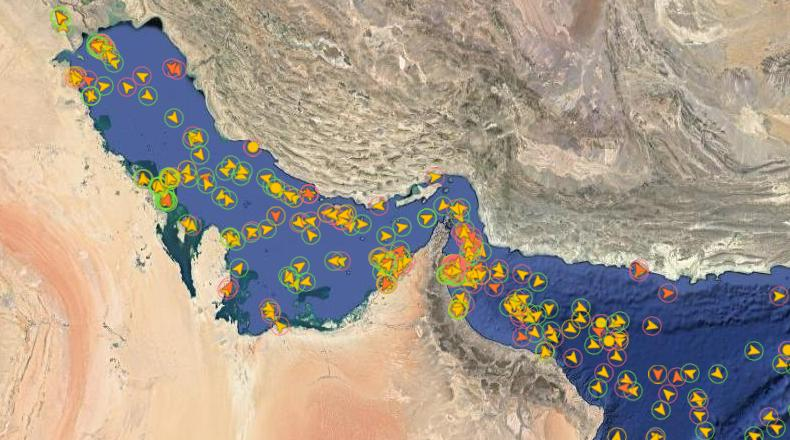
The analysis argues that ongoing tensions surrounding Iran reflect a larger geopolitical struggle over energy corridors, critical trade routes, and the containment of emerging powers within a shifting multipolar system.
It suggests that modern warfare extends beyond traditional battlefield confrontation, encompassing economic pressure, cyber operations, information warfare, and proxy conflicts, all integrated into broader strategic frameworks aimed at maintaining global influence during periods of systemic transition.
Iran’s geographic position—linking the Persian Gulf, Sea of Oman, Central Asia, the Caucasus, and the Eastern Mediterranean—is highlighted as a key factor placing the country at the center of regional and global power calculations.
The analysis also links broader economic dynamics, including challenges to dollar dominance and the rise of alternative financial systems, to increased geopolitical competition and regional instability.
It further argues that Iran’s internal cohesion and geopolitical resilience make it both a high-value strategic node and a potential flashpoint in long-term global competition, with outcomes that could influence security and economic structures across multiple regions.
By Rahel Mousavi | DID News Agency