HRW: Taliban Restrictions on Afghan Women Extend Beyond Borders
DID Press: Human Rights Watch says restrictions imposed by the Taliban on Afghan women are no longer confined to Afghanistan and are now affecting their participation abroad, raising serious concerns over global freedom of expression for Afghan women.
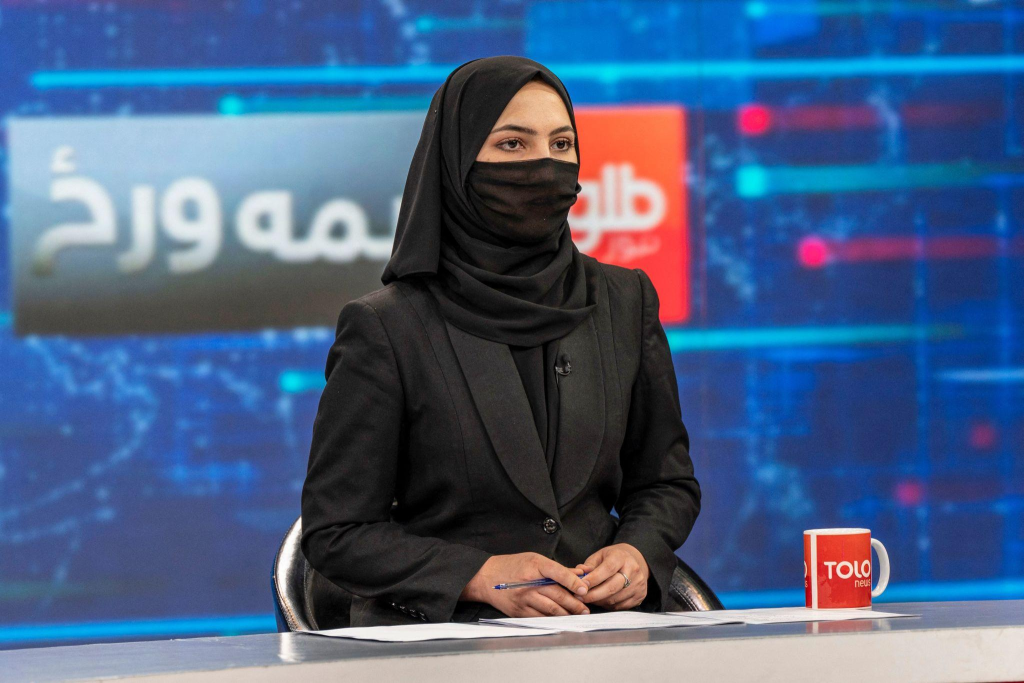
The organization reported that a female Afghan researcher faced an unusual request while coordinating an interview with a local media outlet, which asked her to replace herself with a male colleague to present her findings.
HRW says the request reflects Taliban directives from the Ministry for the Promotion of Virtue and Prevention of Vice, which impose sweeping restrictions on women’s visibility in public and media spaces.
According to these rules, Afghan women—even those living abroad—are required to appear in media only with full covering, including face veils. This has led some outlets to prefer male voices over female analysts.
HRW warns that this trend shows the export of restrictive policies beyond Afghanistan’s borders, effectively silencing Afghan women’s voices internationally.
Inside Afghanistan, restrictions remain severe: girls are banned from education beyond grade six, women’s employment opportunities are heavily limited, female journalists have been forced out in some provinces, and in certain areas women’s voices are barred from radio and television.
Rights advocates warn that continued restrictions could lead to the complete exclusion of women from public and media life. Afghan women, both inside and outside the country, must be allowed to express themselves freely without discrimination, they stress.
Despite the pressure, some Afghan women say they continue their media and advocacy work, refusing to comply with the restrictions.
These developments come as the international community repeatedly expresses concern over human rights conditions in Afghanistan, particularly women’s rights, with little visible change in Taliban policy so far.