DID Press: US Department of War has announced that the cost of the ongoing war against Iran has increased by $4 billion in less than two weeks, bringing the total estimated expenditure to approximately $29 billion.
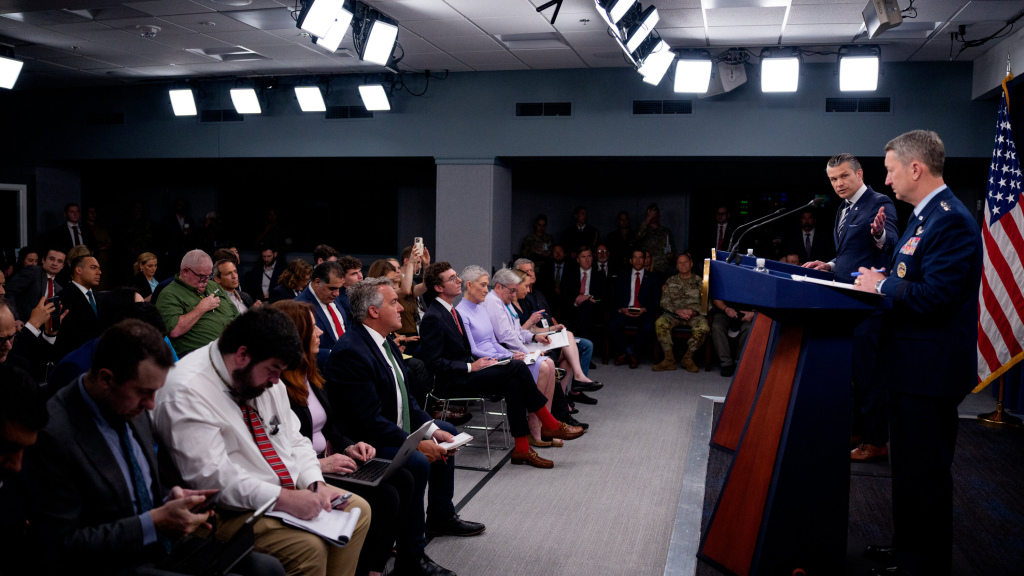
According to Pentagon financial official J. Hurst, the increase is driven by “new costs for equipment replacement and general operational expenses.” He had previously placed the war cost at $25 billion just two weeks earlier.
U.S. officials and economic analysts, however, say the true cost of the war remains unclear and is likely significantly higher than official figures. The Pentagon reportedly requested $200 billion from Congress in March to sustain military operations. Officials have also stated that more than $11.3 billion was spent in the first six days of the conflict alone.
CBS News reported in late April that total U.S. spending on the war could already be approaching $50 billion, with a large portion allocated to ammunition and military hardware consumption.
Beyond direct military expenses, economists warn of broader macroeconomic consequences. Justin Wolfers, professor at the University of Michigan, wrote in The New York Times that rising inflation, slowing growth, stock market instability, and potential job losses could push the total cost into the hundreds of billions or even trillions of dollars.
The U.S. Bureau of Labor Statistics also reported that inflation rose to 3.8% year-on-year in April, the highest level since May 2023, with monthly prices increasing by 0.6% between March and April.
Meanwhile, public opinion in the United States appears to be shifting. A CNN/SSRS poll shows 77% of respondents, including a majority of Republicans, believe President Donald Trump’s policies have increased the cost of living. His approval rating on economic management has dropped to 30%, marking one of the lowest points of his political career.