EU’s Double Policy: Hosting Taliban While Declaring Support for Resistance Front
DID Press: Relations between the European Union and Afghanistan have become increasingly inconsistent since the August 2021 political shift, reflecting what analysts describe as a split between rhetorical support for human rights and pragmatic diplomatic engagement with the ruling authorities in Kabul.
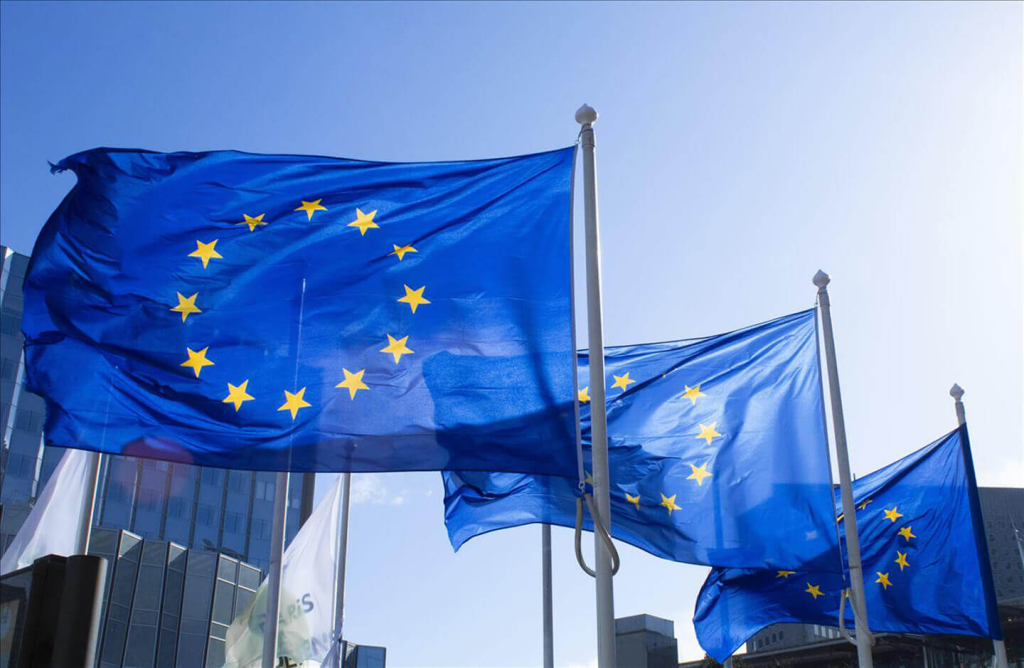
Recent developments highlight a contradiction between different EU institutions. While some members of the European Parliament have publicly expressed support for opposition figures such as Ahmad Massoud, leader of the Resistance Front, the European Commission is reportedly preparing for official technical-level engagement with a Taliban delegation in Brussels.
Critics argue this reflects a divide between the EU’s legislative and executive branches. The European Parliament is seen as taking a values-based stance, issuing statements in support of women’s rights and political opposition in Afghanistan, while the Commission is driven by policy considerations linked to migration, security, and regional stability.
According to the analysis, EU policymakers are increasingly prioritizing concerns over irregular migration, terrorism risks, and narcotics trafficking, which is pushing them toward limited engagement with the authorities in Kabul despite ongoing human rights concerns.
The report further argues that such parallel approaches risk weakening the EU’s credibility, as symbolic political support for opposition groups is not matched by binding diplomatic or strategic pressure on the ground.
It also notes that the Taliban have benefited from this fragmentation, using technical talks with European actors as incremental steps toward breaking international isolation, even as political tensions remain unresolved.
By Ehsanullah Samim | DID News Agency