Decade After Moby Group Attack, Questions Remain Over Saad Mohseni’s Accountability
DID Press: Ten years after the deadly attack on a bus carrying employees of Afghanistan’s Moby Group during Kabul’s “Black Wednesday,” unresolved questions continue to surround the tragedy, particularly regarding the responsibility of senior management and the measures taken to protect employees despite reported security warnings.
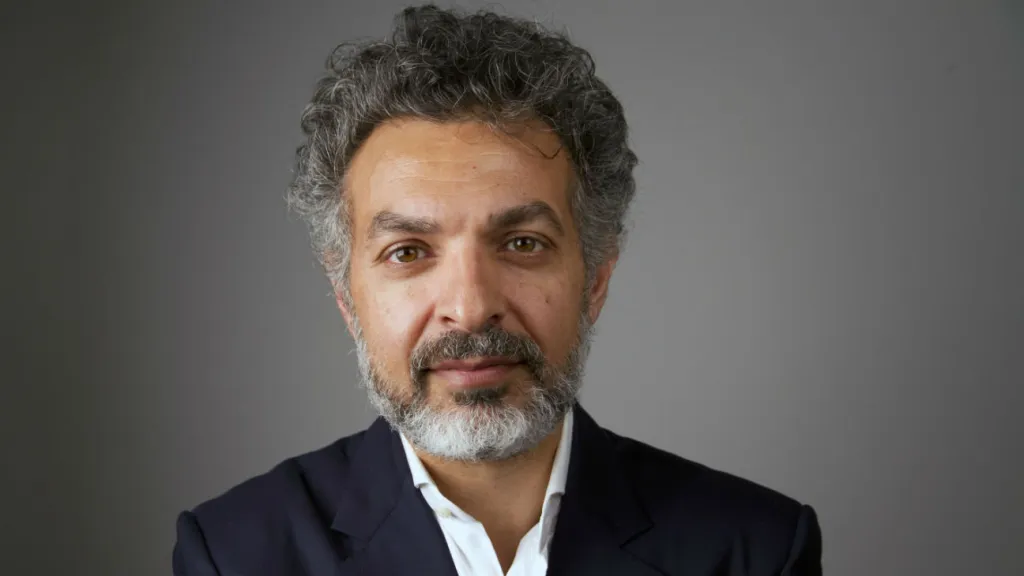
The attack claimed the lives of at least seven media workers and voice actors and left nearly 30 others injured, many suffering life-altering burns and physical trauma. While the incident became an international symbol of the dangers faced by Afghan media professionals, debate persists over whether sufficient scrutiny was applied to the company’s leadership following the attack.
A central issue raised by critics concerns reports that threats against Moby Group had been publicly issued by the Taliban months before the incident and that Afghan intelligence authorities had reportedly warned of potential risks to employees. Critics argue that such warnings should have prompted enhanced security protocols, route changes, and additional protective measures for staff.
Questions have also been raised about transportation arrangements at the time, with employees reportedly traveling on fixed routes and schedules despite the heightened threat environment. Critics contend that stronger preventive measures may have reduced vulnerabilities.
Another aspect highlighted by observers involves the long-term treatment of survivors. Some former employees and victims have alleged that post-attack support was insufficient and that injured staff struggled to obtain adequate assistance for medical treatment and recovery.
The debate has gained renewed attention amid broader discussions about the role of media organizations in ensuring employee safety in conflict zones and their ethical obligations toward victims and survivors of attacks.
Supporters of greater accountability argue that revisiting the events is important not only for the families of those killed and injured but also for strengthening professional standards regarding staff protection in high-risk environments.
A decade later, the Moby Group attack remains one of the deadliest incidents targeting media workers in Afghanistan and continues to serve as a reminder of the risks faced by journalists, producers, technicians, and other media personnel during years of conflict.
By Sayed Baqer Waezi | DID News Agency