From Camp As Sayliyah to Congo: Uncertain Fate of Afghan Allies of the US
DID Press: The fall of Kabul in August 2021 marked one of the most dramatic and traumatic turning points in Afghanistan’s modern history, triggering a chaotic evacuation and the collapse of long-standing security arrangements.
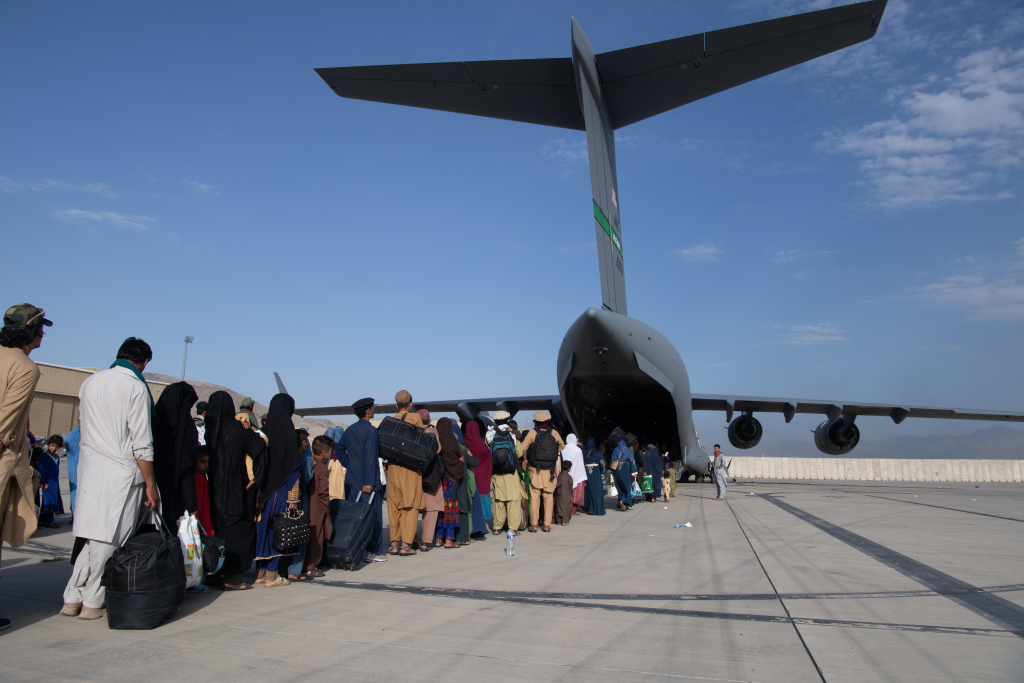
In the final days of the withdrawal, the United States launched an extensive evacuation program for Afghan partners, including translators, local contractors, human rights defenders, and former security personnel who had worked alongside U.S. forces for two decades. A significant number of these evacuees were initially transferred to Camp As Sayliyah in Qatar, a U.S.-run transit and processing facility designated for temporary accommodation before onward relocation.
Reports from international media, including Reuters, have since pointed to a controversial shift in U.S. migration handling policies, suggesting that some Afghan evacuees may be relocated from transit arrangements such as Camp As Sayliyah to third countries in Africa, including the Democratic Republic of Congo and the Central African Republic.
Critics describe this development as more than an administrative adjustment, framing it instead as a serious ethical and legal controversy. Individuals once considered essential partners in the U.S.-led military and reconstruction mission are now viewed by some analysts as politically inconvenient cases within evolving domestic migration debates in Washington.
The proposed relocation to fragile states facing severe economic instability and security challenges has raised humanitarian concerns. Both Congo and the Central African Republic are already struggling with systemic crises, limited infrastructure, and ongoing security risks, making the integration of vulnerable displaced populations highly problematic. While U.S. officials reportedly insist that deportation back to Afghanistan is not immediate, concerns persist over the risk of indirect or chain refoulement through third-country transfers.
Legal experts and critics have also raised questions regarding compliance with the international principle of non-refoulement, which prohibits returning asylum seekers to territories where they may face persecution. The controversy has reportedly triggered political pushback within the United States, including calls from members of Congress for review or suspension of the relocation plan.
Beyond legal and humanitarian implications, the situation has become a broader symbol of shifting expectations in international partnerships. For many Afghan evacuees, the trajectory from Camp As Sayliyah to potential resettlement in the United States has been replaced by prolonged uncertainty and geopolitical limbo in third countries.
Ultimately, the case reflects a deeper tension in global migration governance: the gap between wartime alliances and post-conflict responsibility. It also underscores how rapidly changing domestic political pressures in major powers can reshape the fate of individuals who once served as critical partners in foreign interventions.
By Sayed Baqer Waezi | DID News Agency