DID Press: A broad spectrum of American Jewish organizations has expressed rare and bipartisan concern over an emerging agreement between the United States and Iran, describing the reported deal as opaque, rushed and lacking sufficient security guarantees for Israel, according to a report by The Times of Israel.
The report said that, unlike the deep divisions that characterized reactions to the 2015 nuclear agreement, Jewish groups across the political spectrum have largely united in expressing unease over the proposed framework, despite the absence of officially released details.
Halie Soifer, executive director of the Jewish Democratic Council of America, described the agreement as “an acceptance of defeat by the United States,” arguing that Washington had pursued a hurried deal with Iran while excluding Israel from the decision-making process.
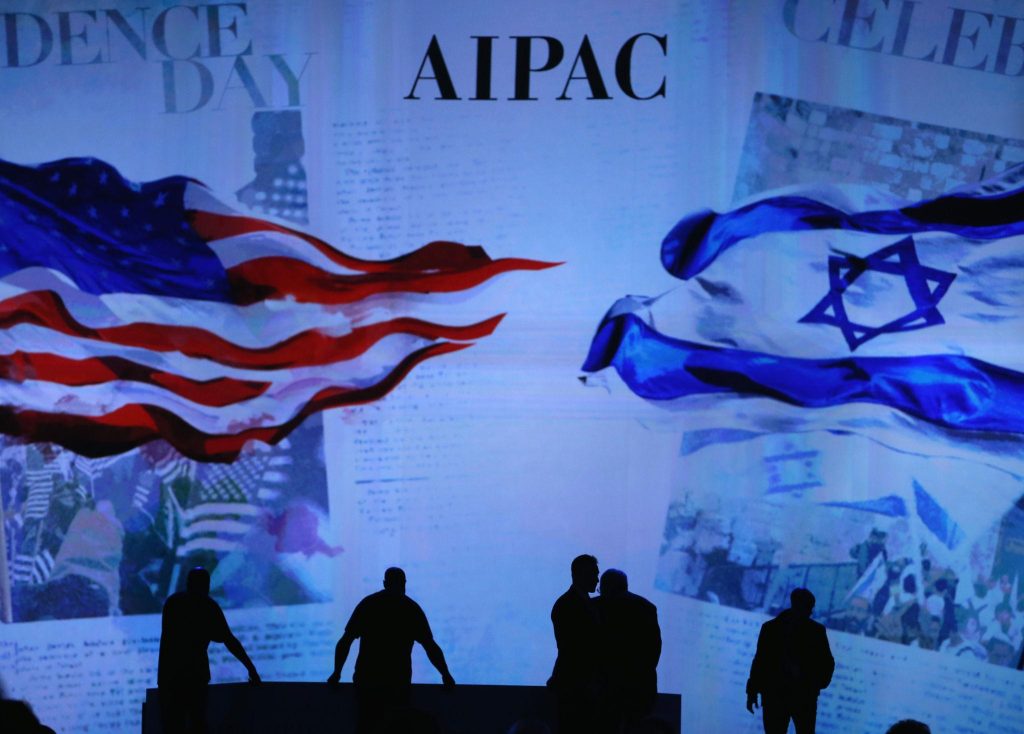
On the other side of the political spectrum, the Zionist Organization of America called for the immediate disclosure of the agreement’s terms, warning that the information available so far was “deeply troubling.”Meanwhile, AIPAC, one of the most influential pro-Israel lobbying groups in the United States, adopted a more cautious stance, saying Congress should play a central role in reviewing the final framework.
The organization stressed that any agreement must permanently and verifiably prevent Iran from obtaining nuclear weapons capabilities.According to The Times of Israel, the U.S. administration has indicated that the agreement was “digitally signed” and would involve partial sanctions relief in exchange for Iran abandoning its nuclear weapons ambitions. However, uncertainty surrounding Iran’s nuclear concessions, the absence of provisions addressing Tehran’s missile program and regional proxy networks, and Israel’s exclusion from the talks have emerged as major sources of concern.
The progressive advocacy group J Street, while welcoming an end to hostilities, said the costs and legality of war, as well as the failure to achieve previously stated objectives, should be considered in assessing any new agreement.
The unusual convergence of views among diverse American Jewish groups suggests that the emerging agreement is increasingly being viewed not as a partisan issue, but as a strategic and security matter for Israel.