DID Press: A new international survey of reserve managers indicates that around 74% of central banks expect the US dollar’s share in global foreign exchange reserves to decline over the next five years, reflecting a broader shift in global financial strategy.
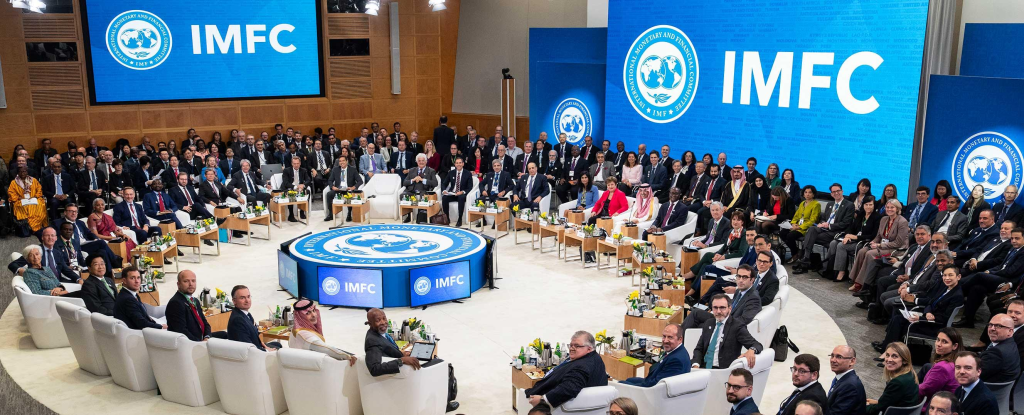
Analytical reports from the International Monetary Fund show that the dollar’s share in official reserves has been gradually declining over the past two decades. Data from the IMF’s COFER database confirms a steady reduction in the dollar’s weighting, with portions of reserve allocations shifting toward so-called “non-traditional currencies,” including the Canadian dollar, Australian dollar, South Korean won, Singapore dollar, and select Scandinavian currencies.
The survey results, drawn from global reserve managers and reflected in annual financial reports, suggest that 74% of central banks anticipate a continued decline in dollar holdings over the next five years. This outlook aligns with IMF data trends indicating a gradual but persistent diversification of global reserves.
COFER figures also show that the dollar’s share in allocated reserves continued its modest decline in 2024. Analysts attribute part of this shift to increased diversification strategies by central banks rather than cyclical currency fluctuations.
By contrast, while the euro, pound, yen, and yuan have not recorded significant gains in reserve share, the most notable growth has been observed in smaller, non-traditional reserve currencies.
The IMF emphasizes that the dollar’s decline has persisted even during periods of relative strength in global currency markets, suggesting structural changes in reserve management strategies rather than short-term market behavior.
Overall, the data indicates a gradual global move toward diversification in reserve assets. While the dollar remains the dominant global reserve currency, long-term trends point to a slow reduction in its share and a gradual rise in the role of alternative currencies.