DID Press: Record-breaking heatwaves in 2026 have intensified warnings over the accelerating climate crisis, with official data and scientific studies indicating that extreme heat has claimed more than 10,000 lives across Europe in recent weeks. Experts warn that without substantial cuts in greenhouse gas emissions, such deadly events are likely to become a recurring feature of future summers.
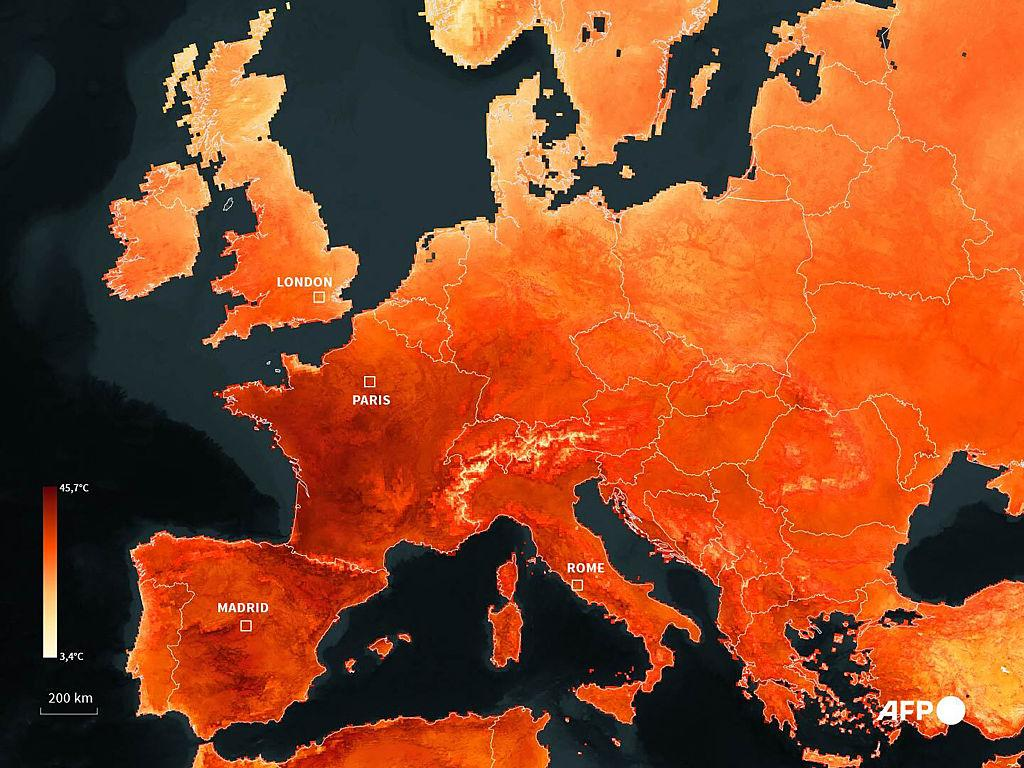
Extreme temperatures that swept across large parts of Europe from late June have become one of the deadliest weather-related disasters of 2026. According to official figures reported by Reuters, heat-related deaths in Western Europe have surpassed 10,000, underscoring the growing human cost of climate change.
The World Health Organization (WHO) has warned that Europe is the world’s fastest-warming continent and cautioned that continued high temperatures could result in additional fatalities. The agency says extreme heat has emerged as one of the continent’s most significant public health threats.
In Germany, the Robert Koch Institute linked the recent heatwave to more than 5,000 deaths. France, Spain, Belgium and the Netherlands have also reported thousands of excess deaths associated with prolonged periods of extreme heat.
Beyond Europe, parts of China, India and other Asian countries have experienced record temperatures, severe flooding and powerful storms. While comprehensive heat-related mortality data remain limited in many Asian countries due to gaps in death registration systems, recent research suggests the true number of fatalities is significantly higher than official estimates.
Climate scientists, including researchers from the World Weather Attribution initiative, say the intensity and geographic extent of this year’s heatwaves cannot be explained without the influence of human-induced global warming. They argue that the continued burning of fossil fuels and rising greenhouse gas concentrations have dramatically increased the likelihood of extreme weather events.
According to WHO estimates, extreme heat caused an average of approximately 489,000 deaths worldwide each year between 2000 and 2019, with 45% occurring in Asia and 36% in Europe. Researchers warn that unless countries accelerate emissions reductions and strengthen climate adaptation measures, future heatwaves are expected to become longer, more intense and increasingly deadly.