Kabul’s Diplomatic Deadlock: Why the World Still Misreads the Taliban After Five Years?
DID Press: Five years after the fall of Kabul and the Taliban’s return to power, Afghanistan is facing one of the most complex and prolonged legitimacy crises in its modern history. From the first days of August 2021, the Taliban made securing formal international recognition one of its main political priorities. Yet in 2026, the reality on the ground is that no country — from regional neighbors to major Eastern and Western powers — has granted Kabul full formal and legal recognition. This unprecedented diplomatic deadlock stems from miscalculations, a strongly ideological approach, and a deep mismatch between the Taliban’s conduct and the expectations of the international community.
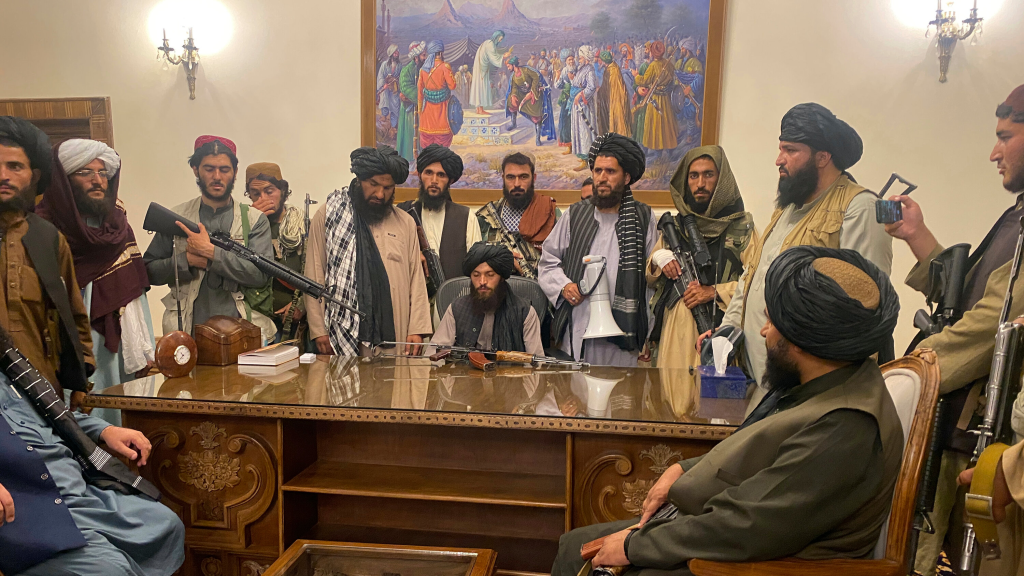
The first and most important condition set by the international community for recognizing the Taliban has been the establishment of an “inclusive government” representing all ethnic groups, religions, minorities and political factions in Afghanistan. However, what has happened over the past five years has been the concentration of power in the hands of one group and the systematic exclusion of other segments of society. Instead of broadening the governing framework and building national consensus, the Taliban have consolidated the country’s administrative, judicial and political structures along their own ideological lines. This extreme unilateralism has led even countries such as Russia, China and the United Arab Emirates — which have accepted Taliban diplomats, handed over embassies and removed the Taliban from terrorist lists — to refrain from granting full formal and legal recognition, making the final step conditional on tangible changes in Kabul’s behavior.
The second major obstacle, which has become a serious humanitarian, ethical and legal barrier, is the unprecedented human rights crisis, particularly the complete exclusion of women from public life. The ban on girls’ education, restrictions on women’s employment and the confinement of half the population to their homes have marked one of the most significant setbacks of the modern era. The reality is that no government in today’s world, including Muslim-majority countries, can easily bear the political, legal and reputational costs of formally recognizing a government that violates the most basic rights of women and civil society activists. Decision-makers in Kabul may have assumed that, over time, the international community would accept these restrictive decrees as a “fait accompli,” but global public opinion and the persistence of civil society have proven that calculation wrong.
The third key challenge concerns the fragile and ambiguous security and terrorism situation. The Taliban have repeatedly claimed that they have established full security across Afghanistan and will not allow Afghan territory to be used against any other country. In reality, however, the situation is more complicated. The presence and activities of various groups, as well as alleged covert support for the Tehrik-e Taliban Pakistan (TTP), have strained relations between Kabul and Islamabad and even contributed to border clashes, showing that the security concerns of neighboring countries are not without basis. The lack of a clear separation between security forces and civilians, rising crime and banditry, and the influence of extremist groups have undermined the confidence of regional countries including Iran, Pakistan, China and the Central Asian states.
The role of the US withdrawal and the Doha Agreement should also not be overlooked. Although the US withdrawal opened the way for the Taliban’s takeover and was a bitter episode for the Afghan people, the Taliban’s alleged failure to fulfill political commitments under the agreement prevented it from resolving Kabul’s international isolation.
The direct consequences of this diplomatic deadlock have included a sharp decline in investment, capital flight, the closure of hundreds of factories and the transformation of the Afghan economy into what can largely be described as a “survival economy.” Widespread poverty, unemployment and a liquidity crisis have placed millions of Afghans under severe economic pressure.
Ultimately, the key to unlocking Kabul’s diplomatic isolation does not lie in Washington, Beijing or Moscow, but inside Kabul itself. If the Taliban want Afghanistan to escape its isolation, revive the economy and gain international legitimacy, they will have little choice but to respond to what the article describes as the legitimate demands of the Afghan people — including establishing an inclusive government, lifting restrictions on women and ensuring genuine security.
Otherwise, five years of isolation could turn into decades of diplomatic deadlock and deeper social and economic deterioration.
By Sayed Baqer Waezi — DID News Agency