Report: Taliban Purge Shia Professors From Afghanistan Universities
DID Press: Credible sources have reported a new wave of ideological and religious reshuffling in Afghanistan’s academic institutions, alleging that all Shia professors at Sharia faculties of Afghan universities have been removed following a directive from the Taliban’s acting minister of higher education.
According to exclusive information obtained by DID Press, Nida Mohammad Nadim, the Taliban’s acting minister of higher education, issued an order around three weeks ago directing the removal of Shia professors across the country. Sources said Nadim has personally monitored the implementation of the policy during provincial visits.
Senior Academic Staff Removed From Kabul to Bamyan
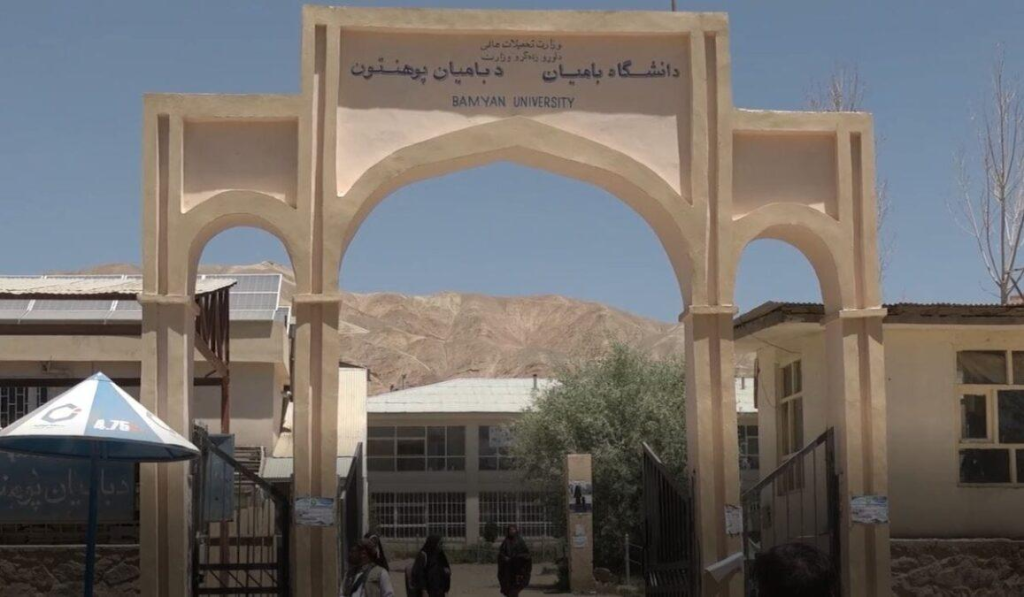
The reported policy has so far been implemented at universities in Kabul, Herat, Balkh, Bamyan and Daikundi. In the latest case, local sources in Bamyan confirmed that the remaining Shia professors at the province’s Sharia faculty were formally dismissed despite holding senior academic ranks.
According to the report, academic staff members Pohandwal Sayed Khalil Kohi and Pohanduy Ibrahim Zaki were removed from Bamyan University’s academic staff after years of teaching.
With their dismissal, the number of Shia professors reportedly expelled, suspended or forced to leave their positions at Bamyan University alone since the Taliban returned to power has exceeded 50.
Controversy Over Appointment to Bamyan University Faculty
At the same time, the Taliban’s new appointments at Bamyan University’s Sharia faculty have generated concern among academic circles.
According to sources, the faculty is now headed by Mohammad Idris Habibi, a man whose alleged doctoral credentials have reportedly never been seen by members of the academic staff and who, according to sources close to the Taliban, has a criminal record.
Sources said Habibi, originally from Maidan Wardak, was imprisoned at Pul-e-Charkhi Prison toward the end of the former Afghan government on allegations of involvement in armed robbery. They alleged that following the Taliban’s return to power, he was appointed to head the Sharia faculty with the backing of ethnic and factional networks.
The reported removal of academic figures and their replacement with individuals whose qualifications are disputed has raised concerns about academic standards and the independence of Afghanistan’s universities.
The alleged dismissal of senior professors and appointment of individuals with disputed backgrounds could further undermine the credibility of Afghanistan’s higher-education institutions and deepen the crisis facing the country’s academic sector.
Critics say such policies risk transforming universities from institutions dedicated to knowledge production and academic debate into instruments of ideological and ethnic pressure, with potentially long-term consequences for access to quality higher education.