Japan Pledges $9.4 Million for Afghanistan Counternarcotics Programme
DID Press: Japan will provide about $9.4 million to support a two-year counternarcotics programme in Afghanistan aimed at helping former poppy-growing families develop alternative livelihoods and expanding services for people affected by drug use, the United Nations Office on Drugs and Crime (UNODC) said.
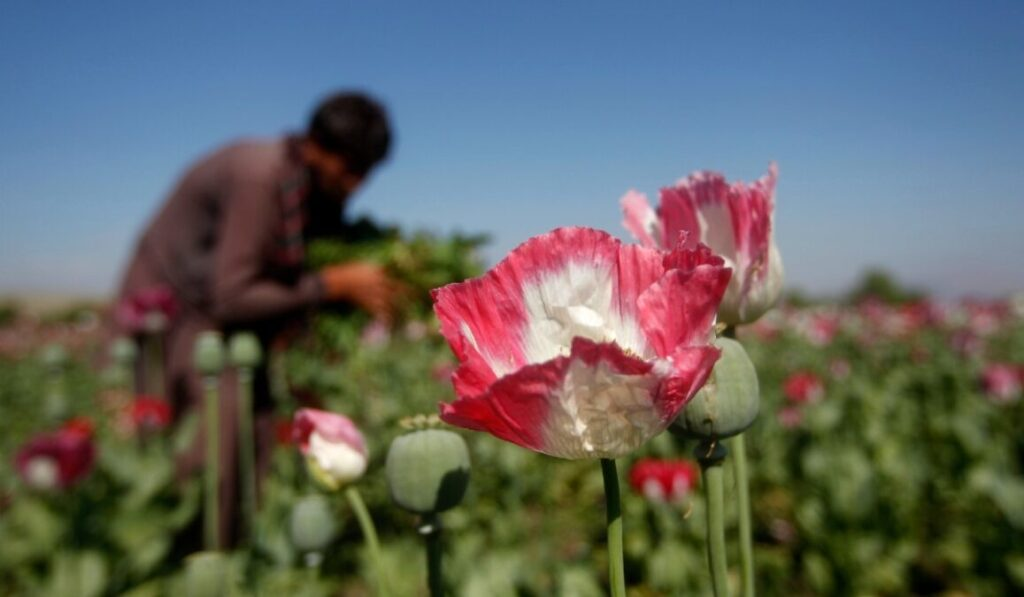
The programme, titled “Strengthening Counternarcotics Capacities for Vulnerable People,” will run from September 2026 to September 2028 in Badakhshan, Badghis, Helmand, Kandahar and Takhar provinces. It has a budget of 1.488 billion Japanese yen, funded by Japan through the Japan International Cooperation Agency (JICA).
UNODC said about 8,000 former poppy-growing households, representing an estimated 56,000 people, are expected to receive support for alternative livelihoods. Another 45,000 people at risk of drug use or affected by drug-use disorders are expected to benefit from prevention, treatment, rehabilitation and reintegration services.
The initiative will focus particularly on rural communities that previously depended on poppy cultivation for income and have faced economic hardship following changes in Afghanistan’s illicit drug economy. It will also seek to strengthen national and regional cooperation on counternarcotics efforts.
Kenichi Masamoto, Japan’s ambassador to Afghanistan, said counternarcotics is an area of shared interest and responsibility between Afghanistan and the international community, while UNODC said the project combines alternative livelihoods with evidence-based drug prevention and treatment.
The programme builds on a previous JICA-funded UNODC project implemented between 2024 and 2026. UNODC has reported that Afghanistan’s 2022 narcotics ban led to a sharp decline in poppy cultivation, while creating significant economic pressures for communities that had depended on the crop.