Afghanistan’s Poverty Deepens Amid Decades of War and Restrictive Policies
DID Press: On the International Day for the Eradication of Poverty, Afghanistan’s experience highlights how prolonged conflict, political instability and restrictive policies can deepen poverty and undermine long-term development. Decades of war have damaged the country’s infrastructure, weakened its human capital and forced millions of Afghans to flee their homes, turning poverty from an economic challenge into a wider social and humanitarian crisis.
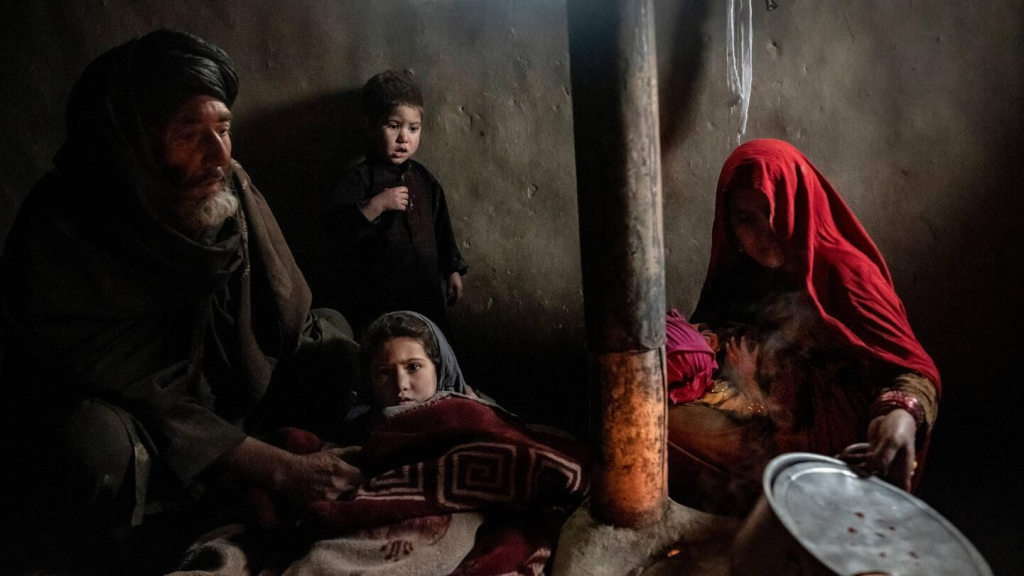
Globally, armed conflicts have not only killed and displaced millions of people but have also set development back by decades. Countries affected by war often face declining investment, the collapse of public services, widespread unemployment and worsening food insecurity. Poor communities are particularly vulnerable because their access to education, healthcare, employment and social protection is often severely disrupted. As a result, many countries trapped in prolonged conflict also rank among the world’s poorest nations.
Afghanistan is a clear example of this pattern. More than four decades of war, foreign intervention, internal conflict and political instability have severely weakened the country’s economic and human capacities. Millions of Afghans have been forced to migrate or become internally displaced, while vital infrastructure has been repeatedly damaged. Under these conditions, poverty has evolved beyond an economic problem into a profound social and humanitarian crisis.
However, Afghanistan’s poverty cannot be attributed solely to the legacy of war. Since the Taliban returned to power, a range of restrictive policies and approaches have further undermined economic and social development. Excluding women and girls from education and employment not only violates their fundamental rights but also contributes to worsening poverty. Preventing a substantial portion of the population from participating fully in the economy reduces productive capacity, household income and economic growth. Restrictions on civil society, the media and economic activities have also narrowed opportunities for investment and entrepreneurship.
Meanwhile, the economy’s heavy reliance on foreign aid, international isolation, the departure of skilled professionals and declining employment opportunities have left millions of Afghans vulnerable to food insecurity and chronic poverty. When access to education is restricted, the labour market contracts and prospects for the future diminish, poverty risks becoming an intergenerational condition rather than a temporary hardship.
On the International Day for the Eradication of Poverty, Afghanistan’s experience serves as a reminder that financial assistance alone cannot eliminate poverty. Sustainable peace, accountable governance, inclusive education, women’s participation, respect for fundamental rights and the creation of economic opportunities are essential to addressing its root causes. As long as conflict and policies that constrain development continue to shape people’s lives, achieving a poverty-free society will remain a distant goal.
By Mohsen Mowahed | DID News Agency