Taliban Leader to Meet Haqqani Amid Internal Rift
DID Press: Taliban leader Hibatullah Akhundzada is expected to meet Sirajuddin Haqqani, the group’s interior minister, as part of ongoing consultations in Kabul aimed at containing growing divisions between the Kandahar and Kabul factions and preventing further fractures within the Taliban’s power structure, informed sources say.
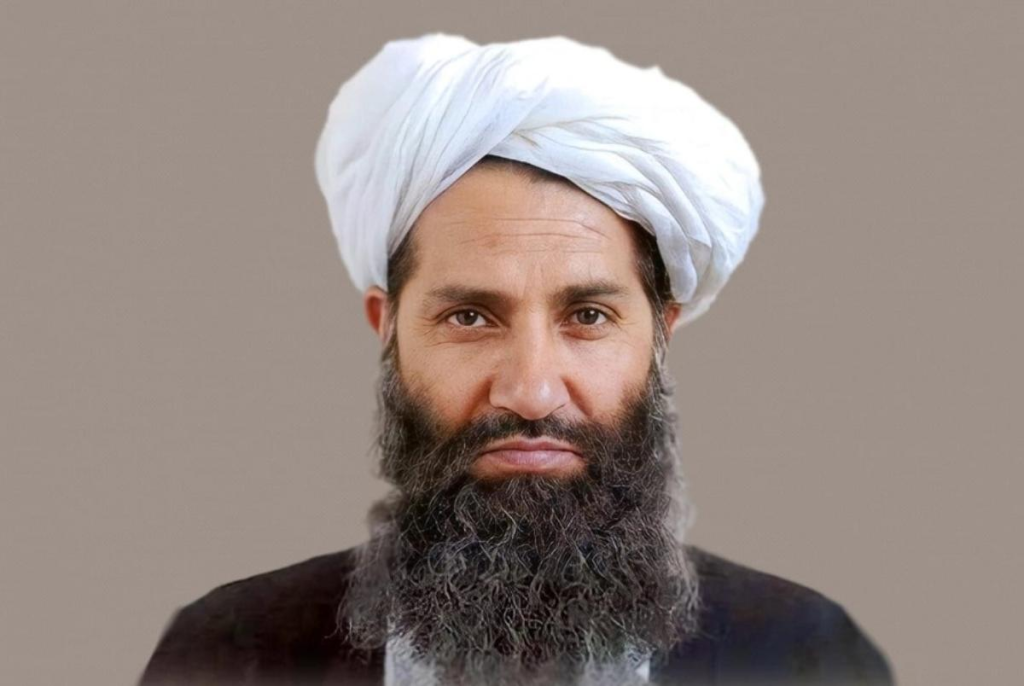
Sources close to the Taliban said Akhundzada has already met several senior officials during his stay in Kabul, including Qayum Zakir, a deputy defence minister. A meeting with Haqqani is also reportedly on his agenda.
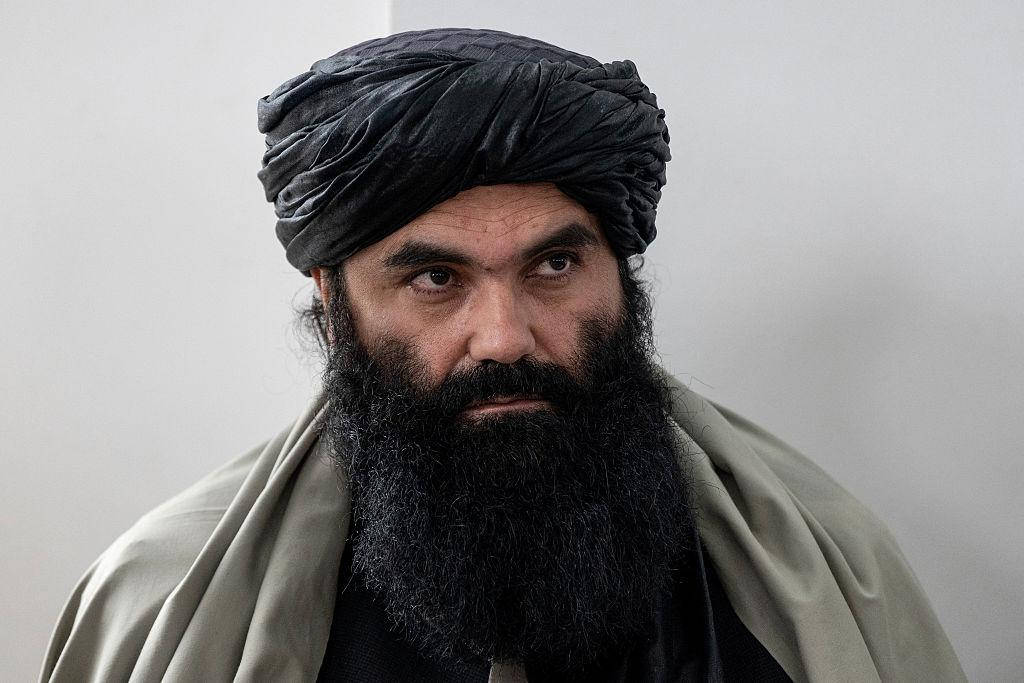
The consultations are intended to bring closer the positions of officials who have expressed criticism of the Taliban leader’s decrees, restrictive policies and concentration of power in Kandahar.
The developments come as differences between the Kandahar faction, led by Akhundzada, and the Kabul-based faction, particularly the Haqqani network, have become increasingly visible in recent days.
On Monday, Sirajuddin Haqqani made critical remarks about the Taliban’s policies, referring to public dissatisfaction and stressing that, in an Islamic system, the fate of a government should not depend on the personal views of one individual. He also urged Taliban members to focus on fulfilling their responsibilities rather than praising and glorifying the group’s leader.
On Tuesday, Akhundzada warned against “sedition and division” within Taliban ranks during a speech in Kabul, without directly naming any individual or faction. He also stressed that obedience to the leadership’s orders was mandatory.
The internal divisions are rooted in the growing concentration of authority in Kandahar and the reduced powers of Taliban officials based in Kabul. Since the group returned to power in 2021, a significant share of major decision-making has shifted from Kabul to Kandahar, where Akhundzada has consolidated control over key policies through a circle of close associates.
The ban on girls’ education and women’s employment, relations with the international community, and the concentration of power are among the main sources of disagreement between the two factions.
Analysts say that even if the consultations lead to a temporary agreement, the underlying sources of discontent and tension within the Taliban leadership are likely to remain as long as power remains concentrated and restrictive policies and suppression of social demands continue.