DID Press: Recent statements by Donald Trump reveal a confusing and inconsistent picture of US policy regarding the ongoing conflict with Iran. Analysts note that Trump has repeatedly shifted between conflicting narratives on the objectives, criteria for victory, and timing for ending the war, exposing a lack of coherent strategy in Washington.
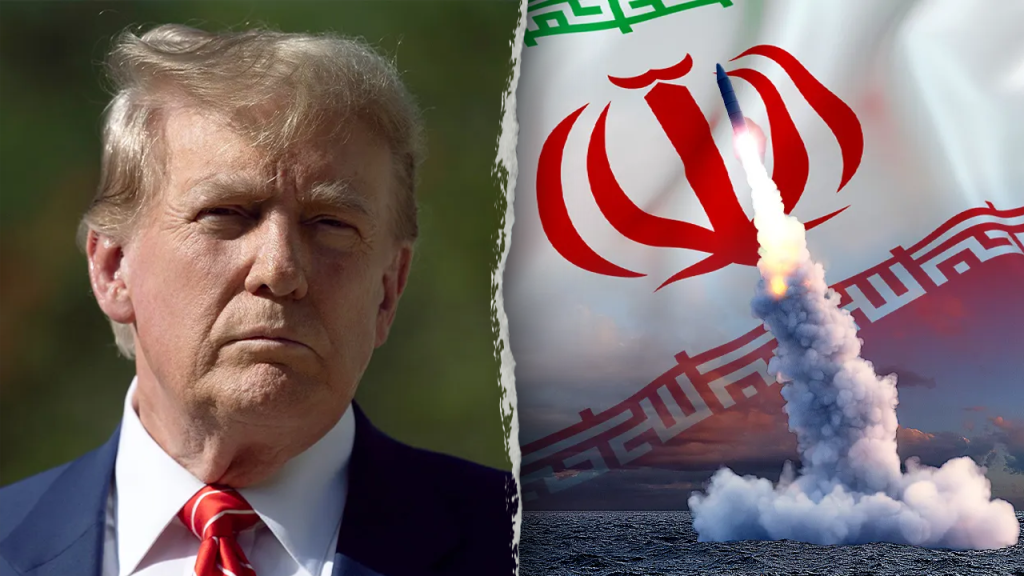
One key contradiction lies in defining the war’s goal. Trump has at times demanded Iran’s “unconditional surrender,” implying complete political and military capitulation, yet he has also suggested that decisions on ending the conflict are politically contingent, signaling that a final objective has not been established.
Another inconsistency concerns the measure of victory. While Trump claims military operations are “nearly complete,” critical issues—such as Iran’s nuclear facilities, uranium stockpiles, and the security of the Strait of Hormuz—remain unresolved. Observers see these statements as politically motivated rather than a factual reflection of battlefield realities.
Further contradictions appear in threat posture and military action. Trump has indicated both escalation and caution, highlighting a lack of clarity on the actual scope of operations. Economic concerns present a fourth inconsistency: initial dismissals of rising energy prices have been followed by active consideration of measures to mitigate domestic economic impacts, showing the influence of internal pressures on US foreign policy.
Experts argue that these contradictions reveal Washington’s struggle to adapt to a conflict that has defied early US assumptions. Iran’s resilient military capabilities, organized security structures, and broad domestic support have complicated calculations, while Tehran’s unexpected initiatives have further challenged US predictions about the speed and outcome of the war.